The clinical case was successfully treated without surgery, using skeletal anchorage and bracketless fixed orthodontics treatment.
Anterior open bite (AOB) represents one of the most challenging malocclusions to treat in orthodontics, both because of its multifactorial etiology and the difficulty of maintaining long-term treatment stability. Skeletal, dentoalveolar, and functional factors may contribute to varying degrees to the development and persistence of the vertical discrepancy, making a careful diagnosis of the components responsible for the malocclusion essential(1, 2).
Several treatment options are available (3, 4):
- Dental extractions
- Anterior extrusion using intermaxillary elastics
- Posterior intrusion using skeletal anchorage
- Orthognathic surgery
The selection of the most appropriate treatment strategy depends on skeletal and aesthetic considerations, including facial morphology, dental display, and gingival exposure.
When anterior open bite is associated with severe skeletal disharmony, an orthognathic surgical approach should be seriously considered (5, 6).
In cases where facial aesthetics are not compromised, a treatment strategy based on maxillary molar intrusion using skeletal anchorage can provide satisfactory clinical outcomes, with long-term stability comparable to that achieved through other approaches, such as intermaxillary elastics, dental extractions, or orthognathic surgery (7, 8, 9).
The following clinical case describes the orthodontic treatment of a 30-year-old woman presenting with a severe anterior open bite, managed using BFLO (Brackets Fixed Lingual Orthodontics), skeletal anchorage, and anterior vertical elastics.
A 30-year-old female patient presented seeking orthodontic treatment because of significant aesthetic concerns and functional difficulties, particularly an inability to bite into food effectively and speech-related problems.
Facial analysis revealed a symmetrical face, a straight facial profile, competent lips, and the possibility of increasing maxillary anterior tooth display.
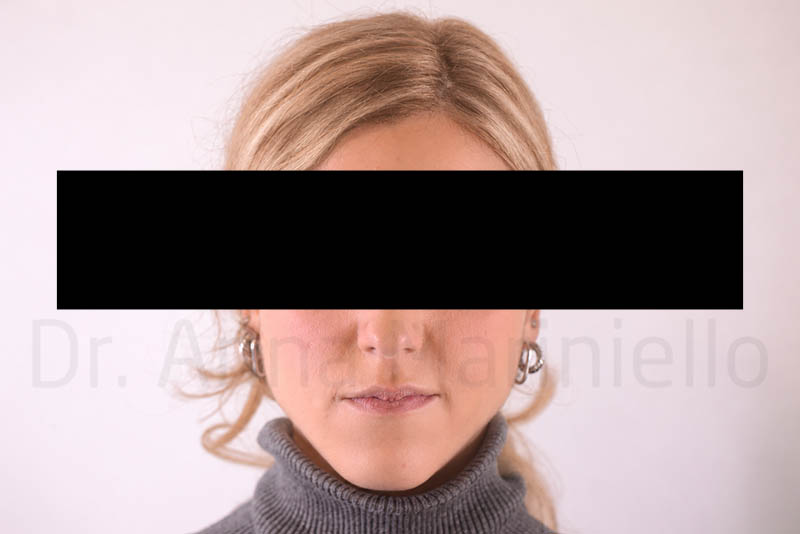
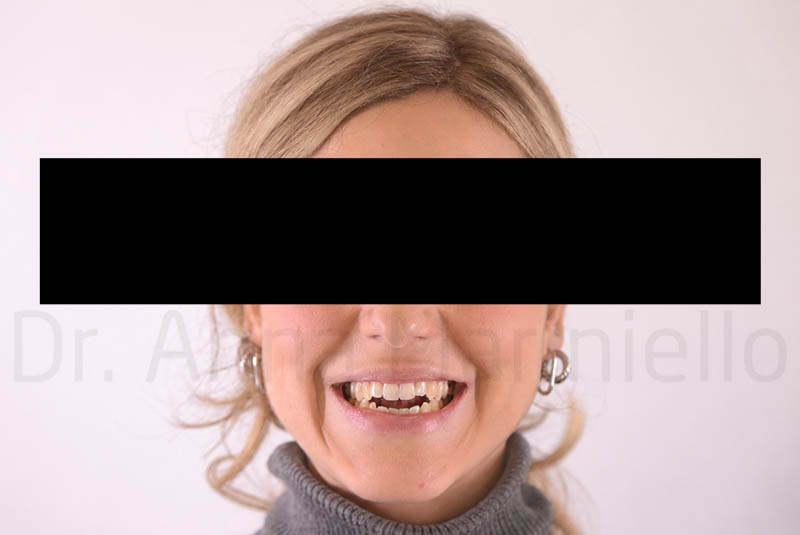
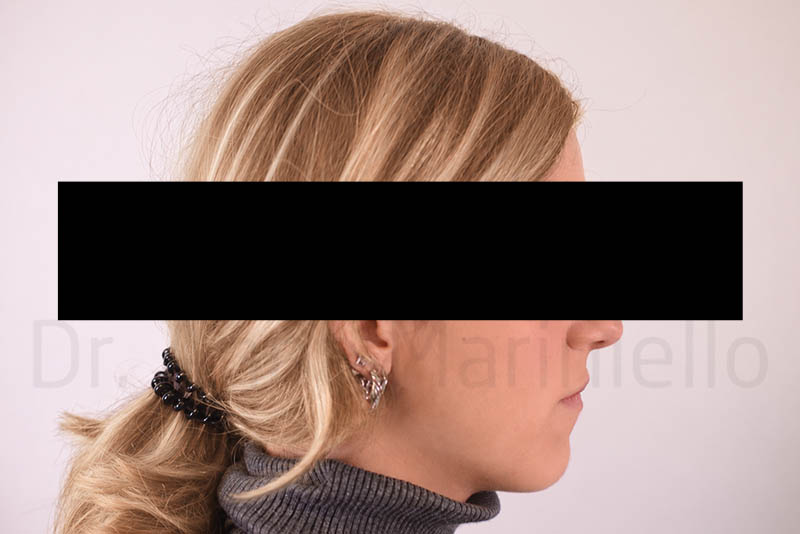
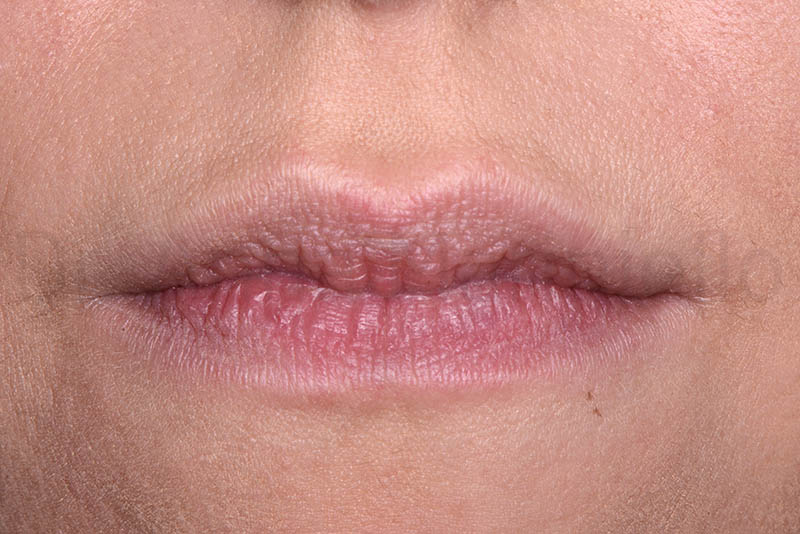
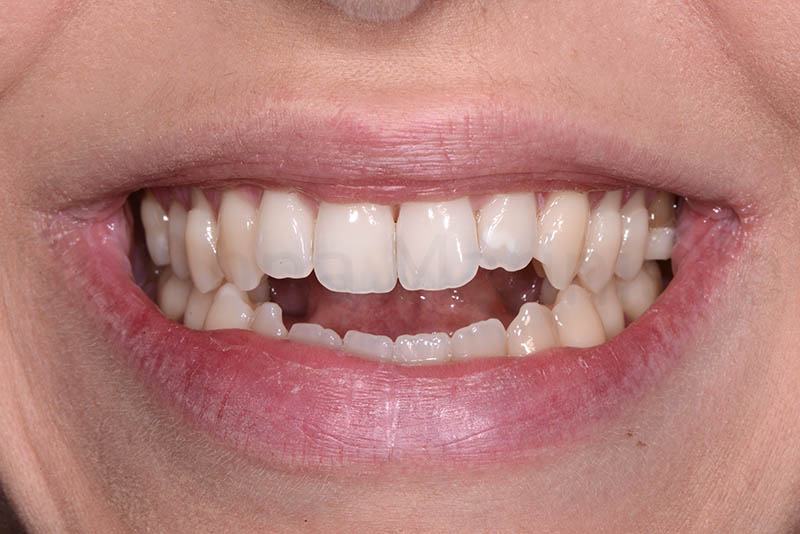
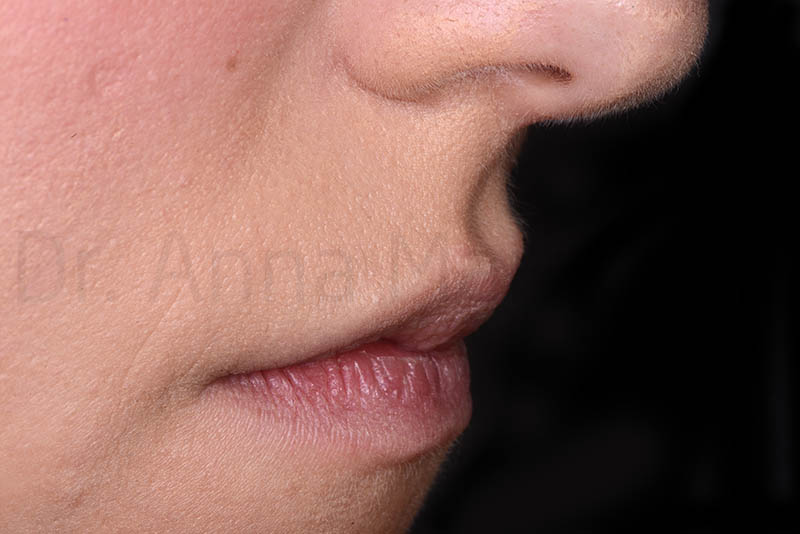
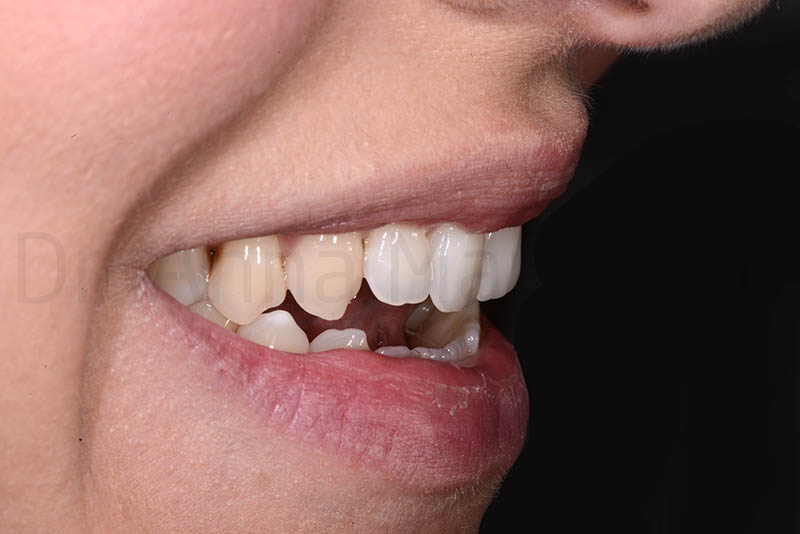
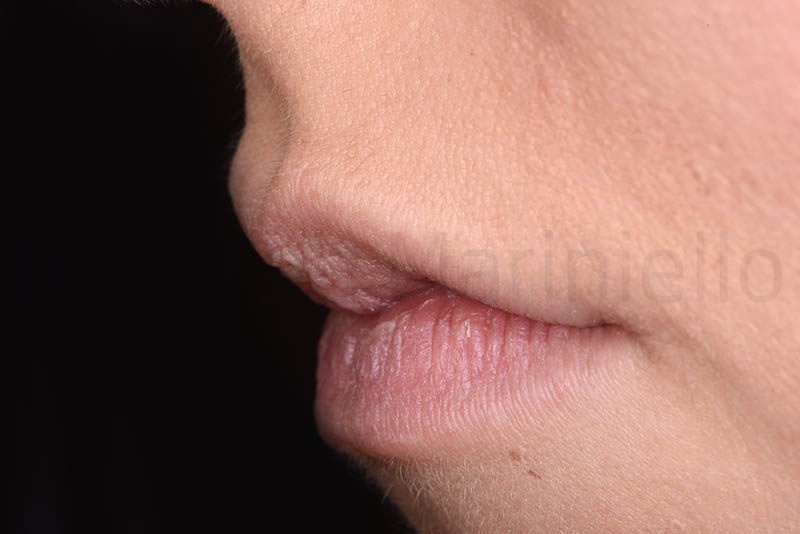
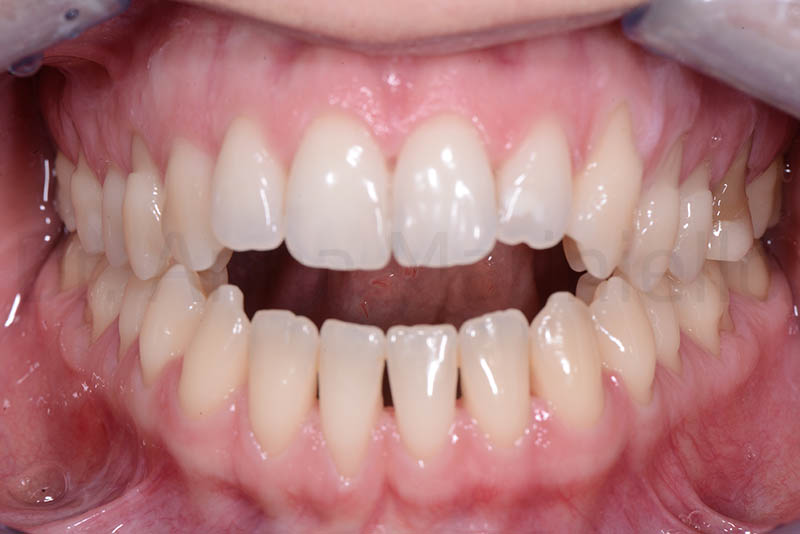
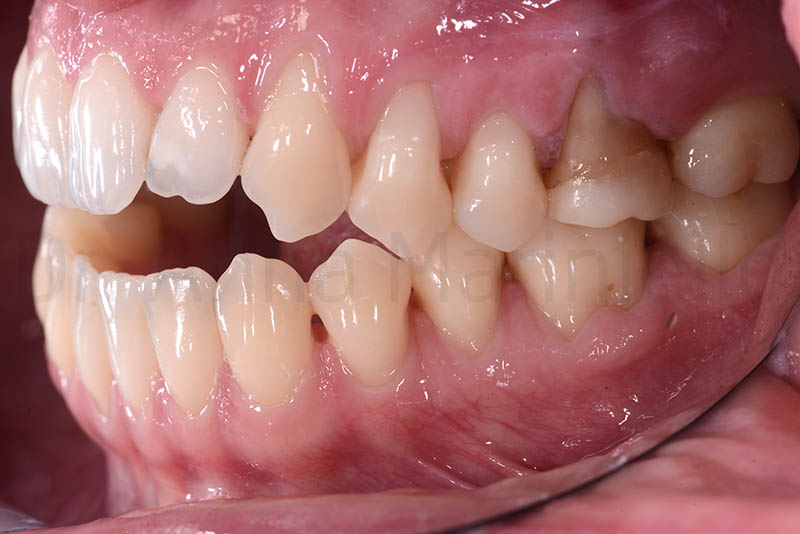
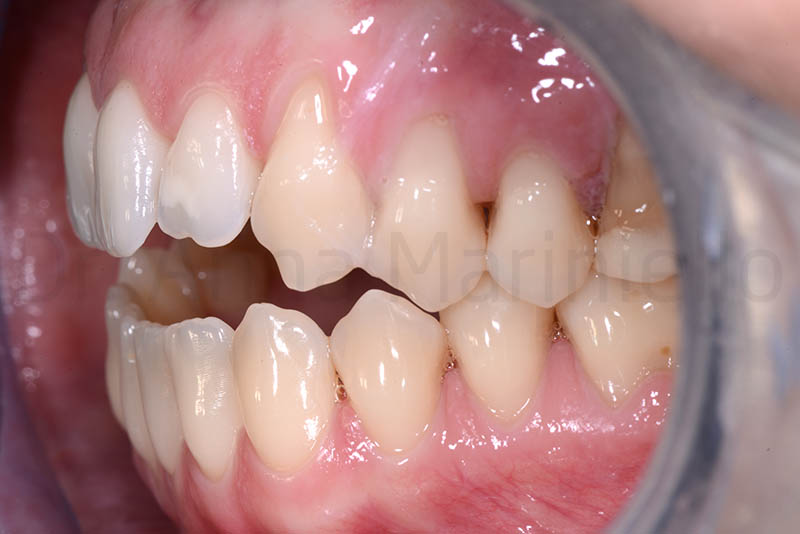
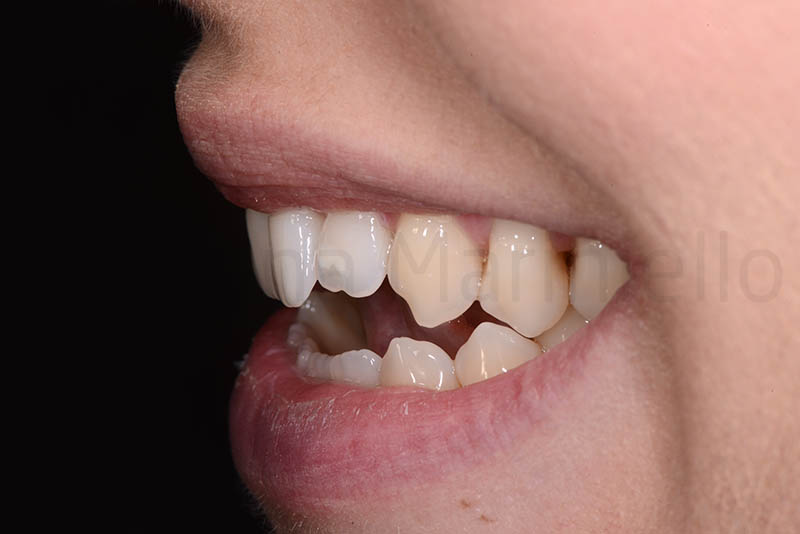 Intraoral examination revealed an anterior open bite extending from canine to canine, coincident maxillary and mandibular dental midlines, and bilateral Angle Class I molar and canine relationships. All permanent teeth were present, except for the third molars. The maxillary left first molar had previously undergone root canal treatment, and a new prosthetic restoration was planned following completion of orthodontic treatment, also to improve the emergence profile of its distal surface. Gingival recessions and cervical tooth abrasions associated with toothbrushing were also observed. The patient’s dental history revealed that she had previously undergone fixed orthodontic treatment with a conventional multibracket appliance and molar bands during adolescence.
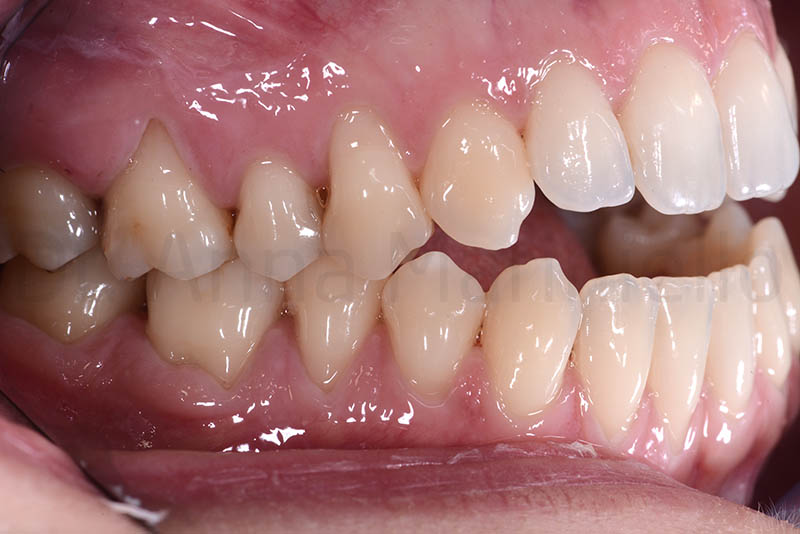
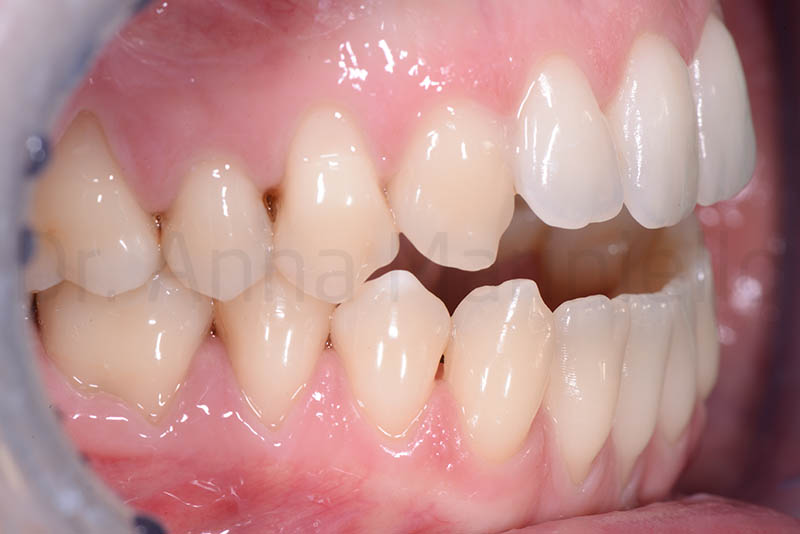
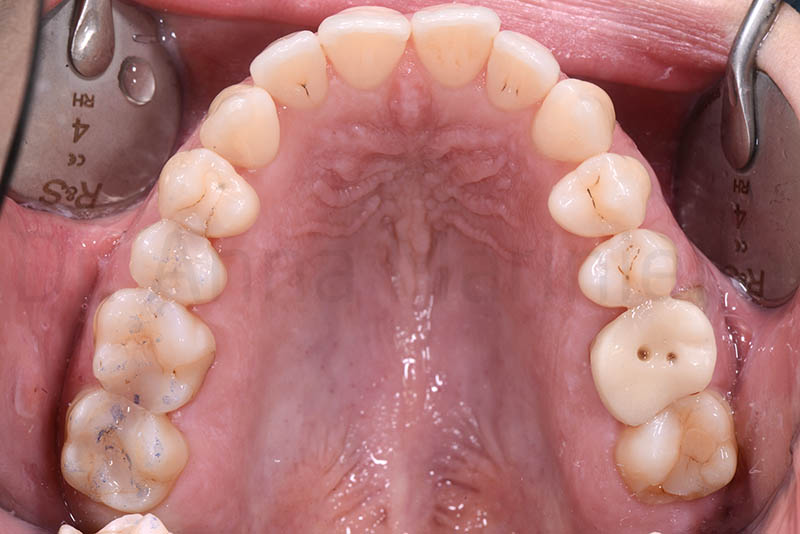
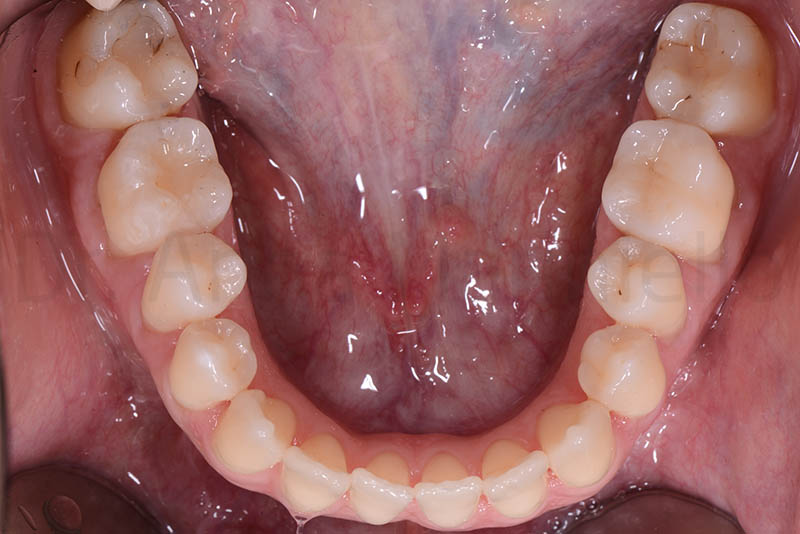 Radiographic and cephalometric examination revealed a mild maxillary retrusion in addition to the anterior open bite.
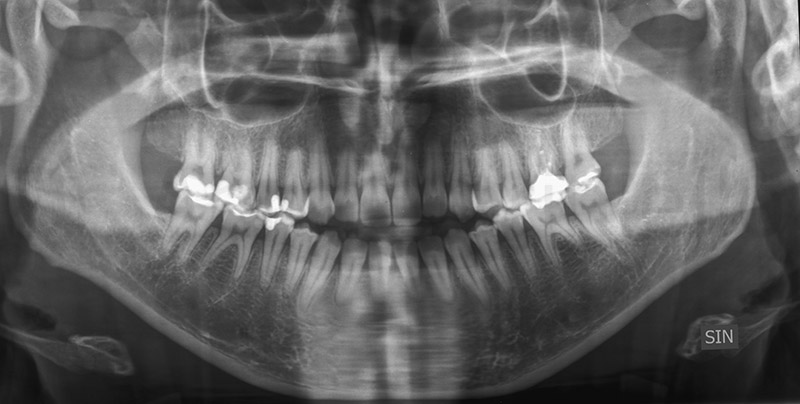
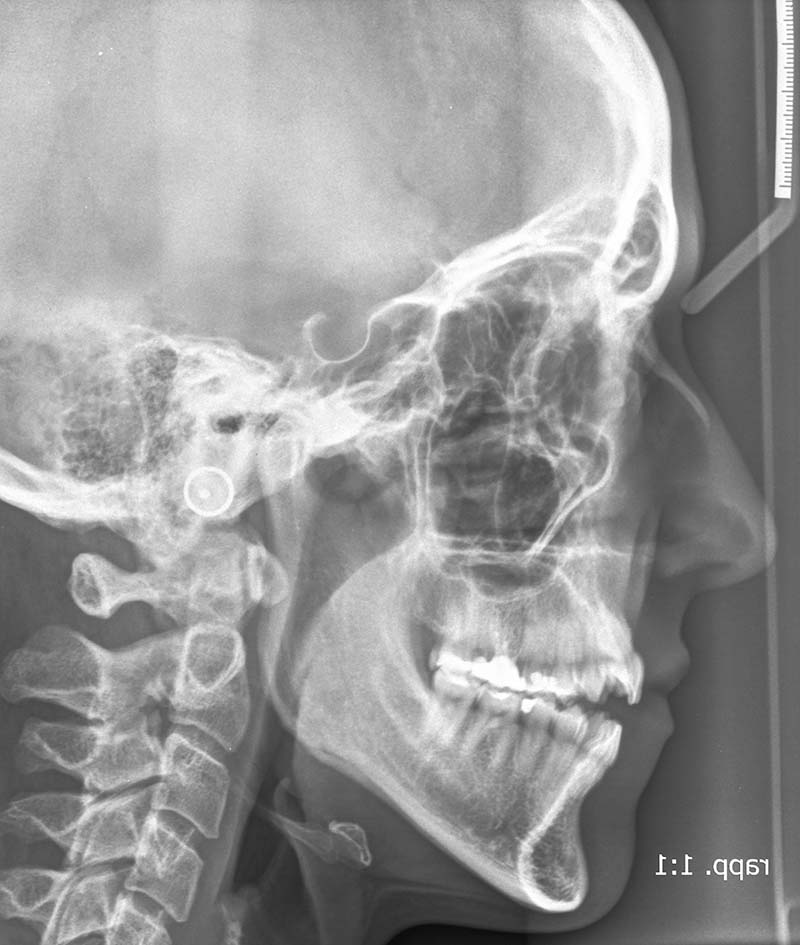
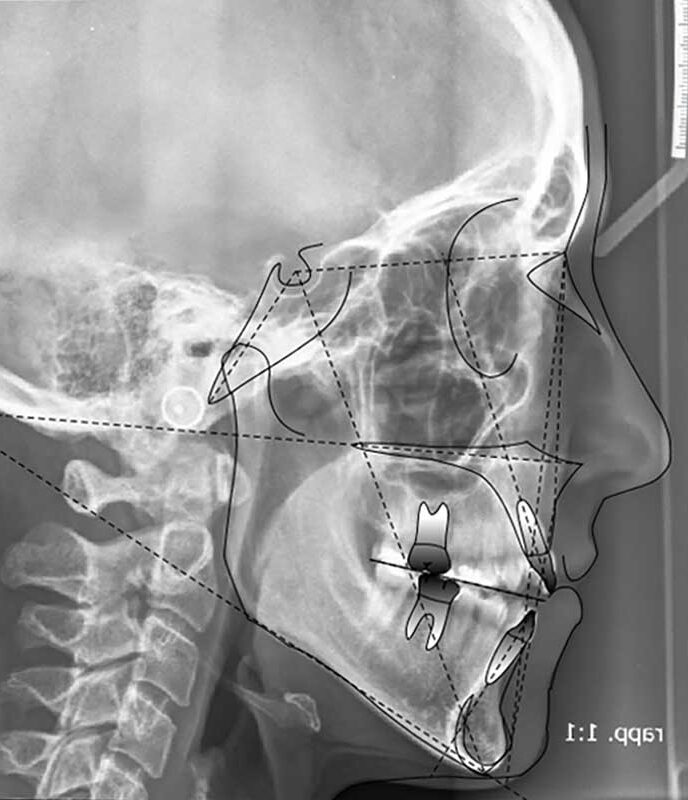
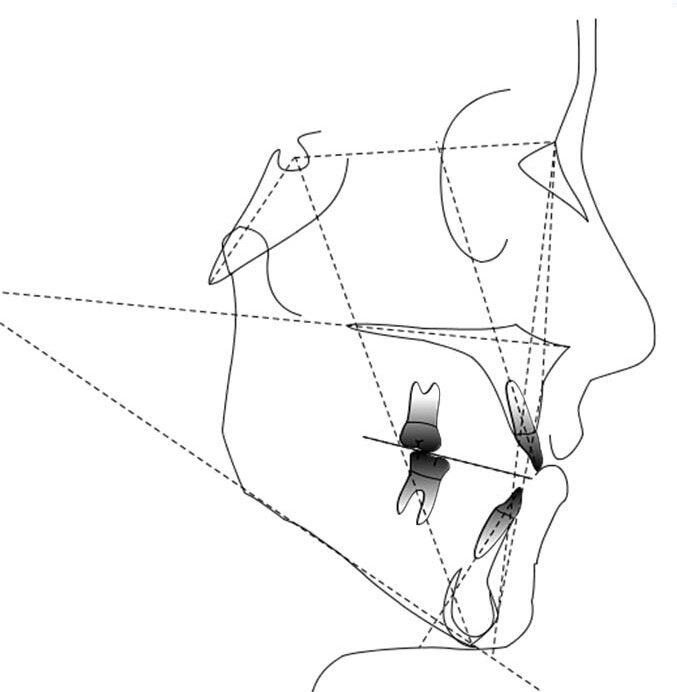
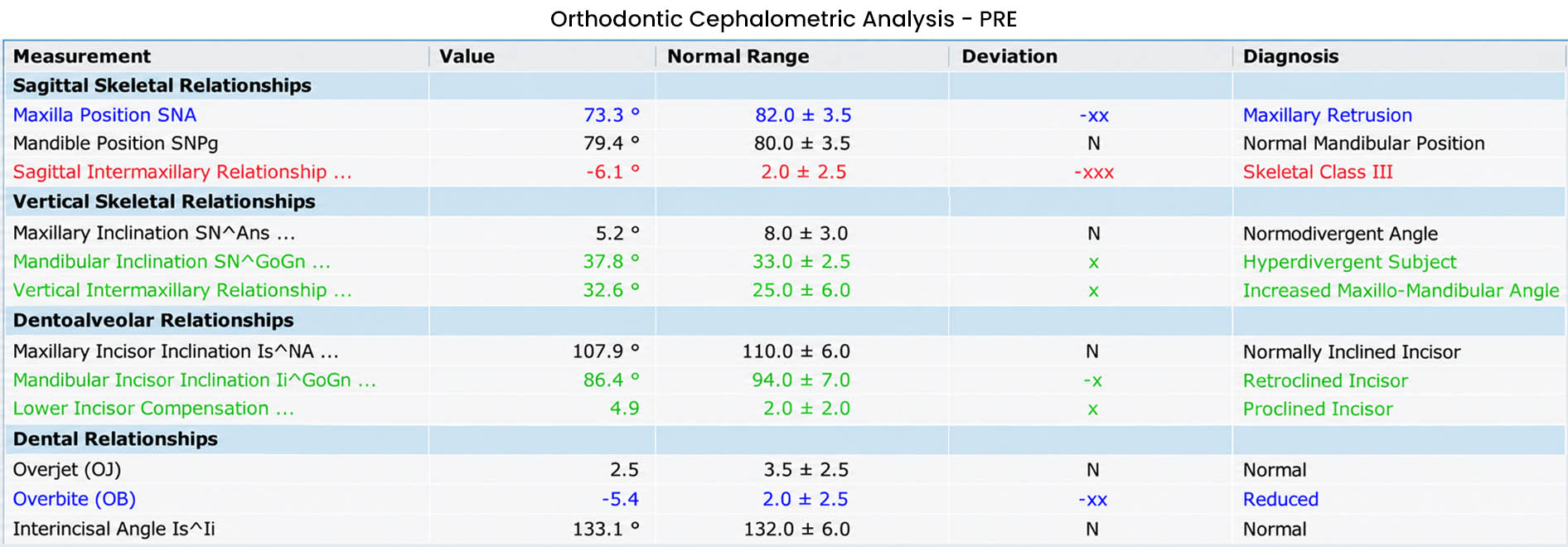 Considering the patient’s harmonious facial profile, orthognathic surgery was excluded from the outset. Furthermore, the patient categorically refused any surgical approach. An extraction-based treatment involving the first molars or premolars could potentially have achieved anterior bite closure through anterior retraction and posterior mesialization, accompanied by uprighting and extrusion of the anterior teeth, with the possibility of counterclockwise mandibular rotation.
However, this option was also ruled out because of the patient’s slightly retrusive maxilla and the risk of excessive maxillary incisor display. Similarly, correcting the open bite exclusively through anterior extrusion with intermaxillary elastics was considered inappropriate. Such an approach would not improve the underlying skeletal pattern and would require a high degree of patient compliance. Furthermore, it could produce excessive extrusion of the anterior dentition, an aesthetically unfavorable and potentially unstable movement (10).
In this case, the most advantageous treatment strategy was a combination of posterior skeletal anchorage for maxillary molar intrusion and anterior vertical elastics for controlled extrusion of the anterior teeth. Given the patient’s high aesthetic expectations, including during orthodontic treatment, BFLO (Brackets Fixed Lingual Orthodontics) was selected.
This technique involves bonding orthodontic archwires directly to the lingual surfaces of the teeth without conventional brackets, providing an invisible fixed orthodontic appliance.
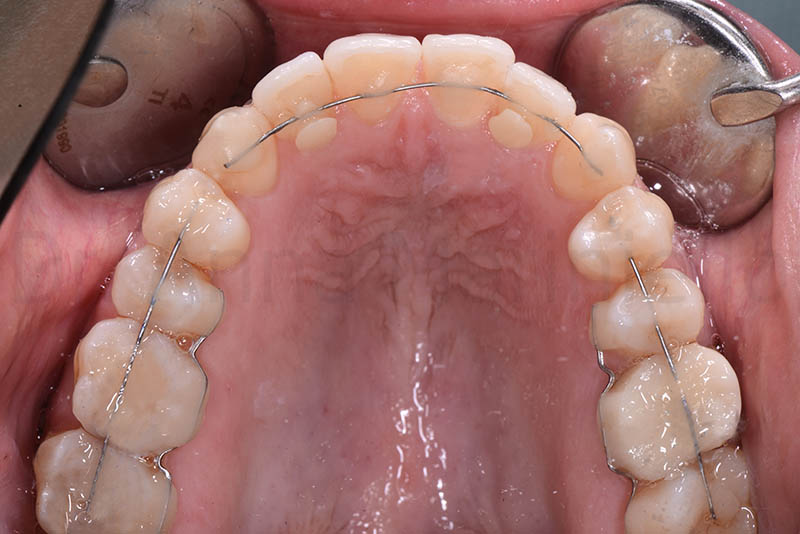
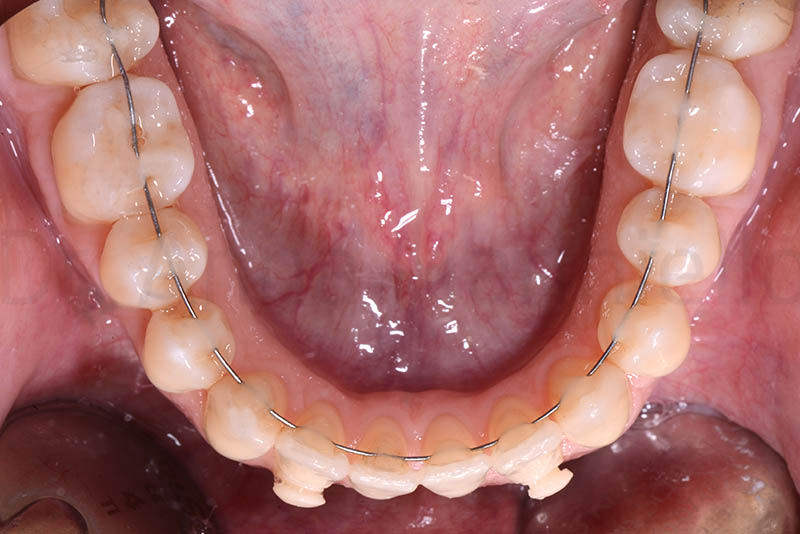
During the first month, a 0.014-inch nickel-titanium (NiTi) archwire was bonded to the maxillary arch.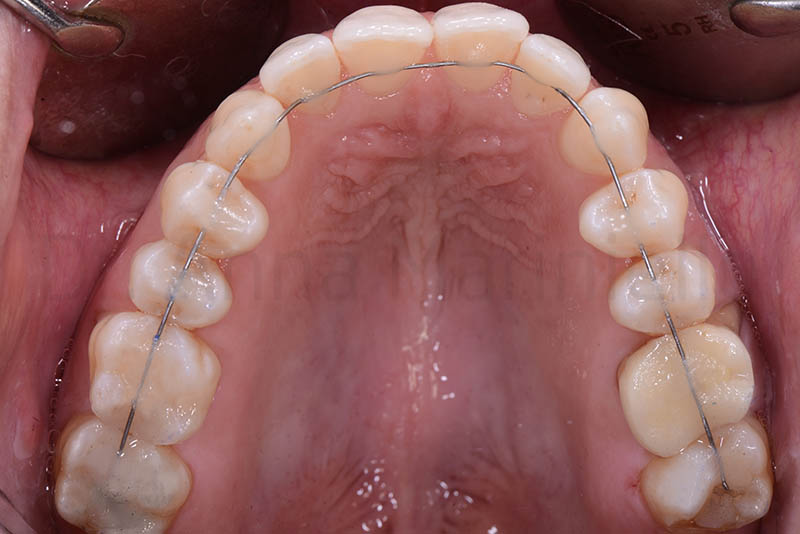
The NiTi archwire was bonded to the lingual surfaces from canine to canine and then extended into the occlusal grooves of the posterior teeth. The following month, an additional 0.014-inch NiTi archwire was bonded to the mandibular arch.
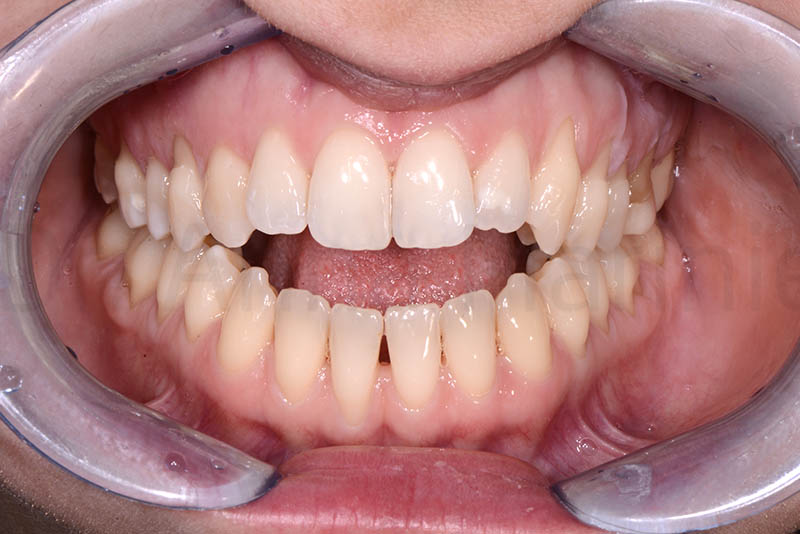
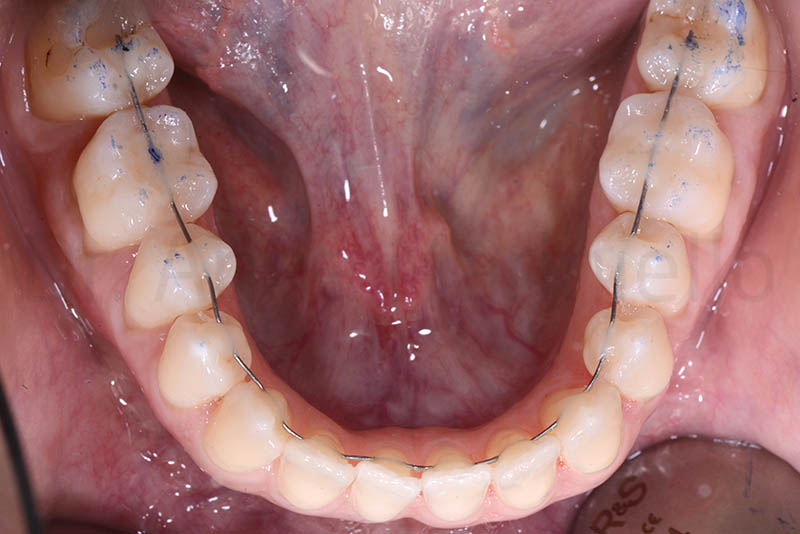
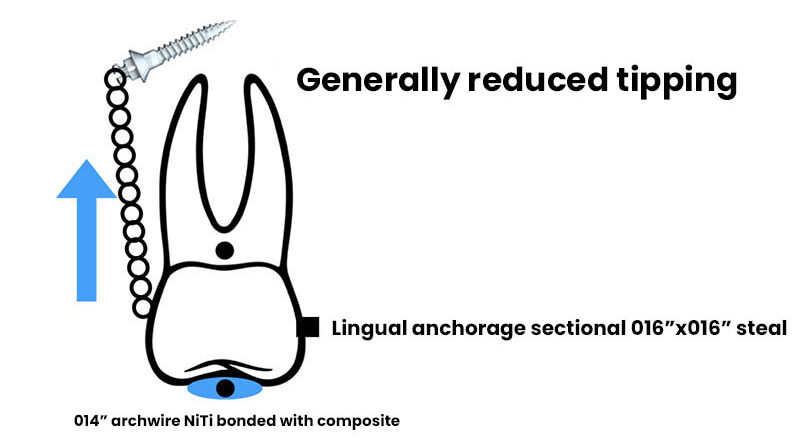
During the third month, two orthodontic miniscrews, used as temporary anchorage devices (TADs), were inserted in the maxillary arch. The miniscrews were positioned apically between the roots of the first and second maxillary molars, mesial to the mesiobuccal root of the second molar. The intrusive force was delivered by an elastomeric chain bonded directly to the buccal surface of the second molar at one end and attached to the miniscrew at the other. The elastomeric chains were replaced every six weeks.
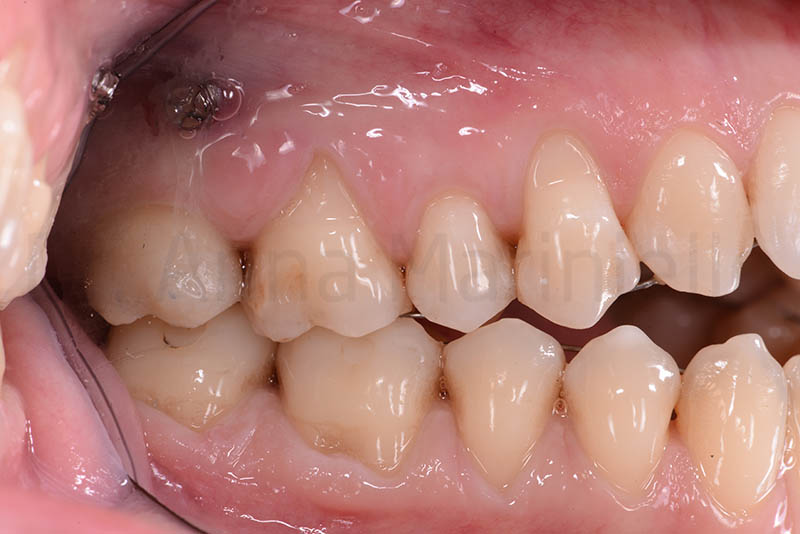
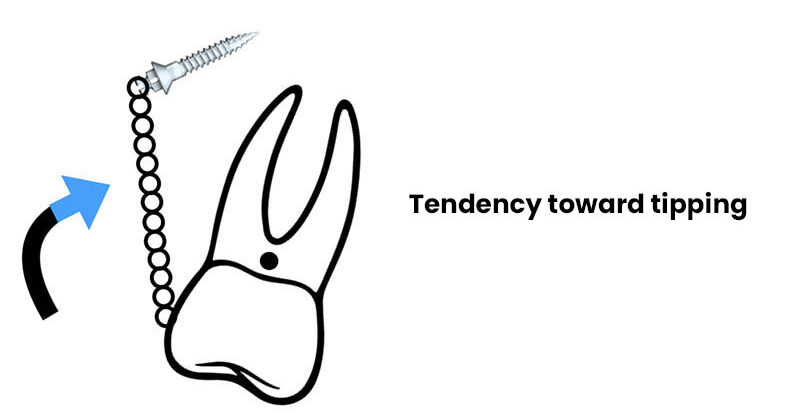
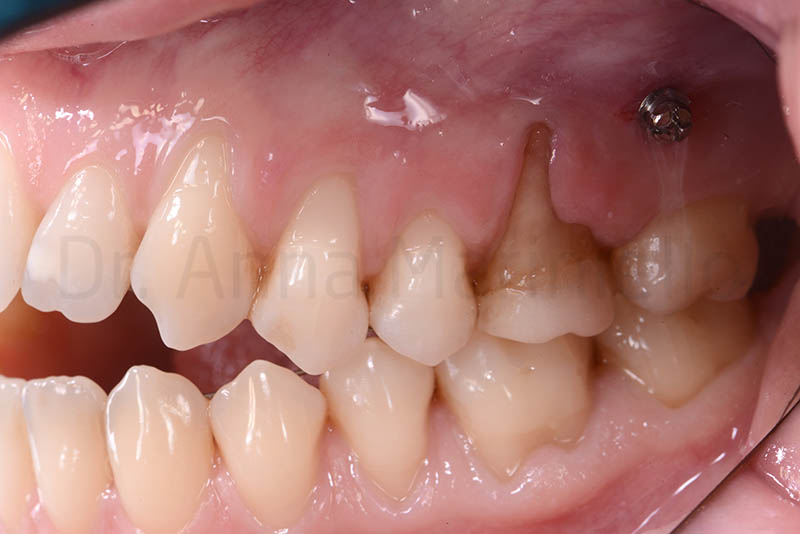 At the same appointment, 0.016 × 0.016-inch stainless steel sectional wires were shaped to adapt to the lingual surfaces of the maxillary posterior teeth, extending from the second premolar to the second molar. These sectional wires were bonded to increase lingual anchorage and counteract the buccal tipping tendency associated with the application of intrusive forces exclusively from the buccal aspect.
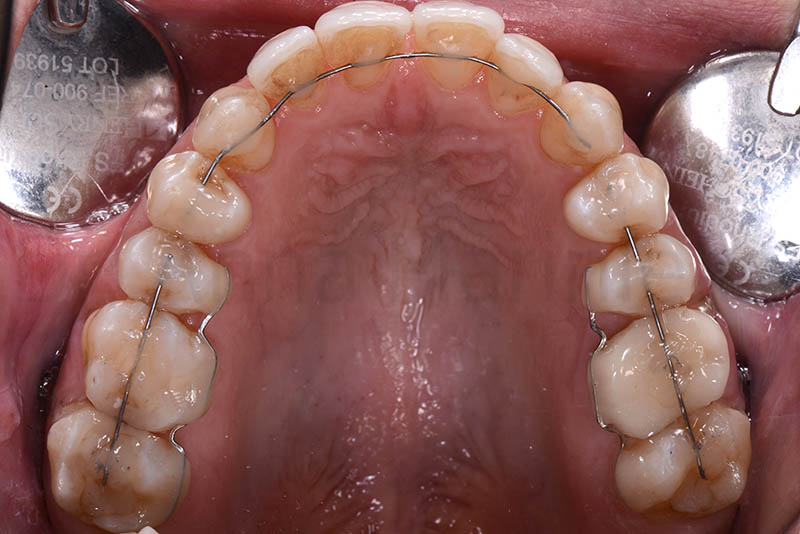
The combination of lingual anchorage, occlusal resistance provided by the composite bite buildups, and intrusive elastomeric chains delivering approximately 80 grams of force per side allowed molar intrusion accompanied by mild, favorable transverse expansion, without buccal tipping of the posterior segments.
Rigid splinting of the posterior teeth, together with occlusal composite buildups contacting the opposing arch (bite-block effect), may contribute to improved biomechanical control during molar intrusion.
In particular, Melsen and Bosch highlighted the potential contribution of occlusal forces to orthodontic anchorage (11), while Scheffler et al. documented the clinical effectiveness of a molar intrusion system combining buccal skeletal anchorage with an occlusal splint (12).
In the present clinical case, splinting the posterior teeth with bonded wires and placing composite buildups on the occlusal surfaces may have helped distribute the applied forces and minimize undesirable tooth movements, including buccal tipping of the posterior segments.
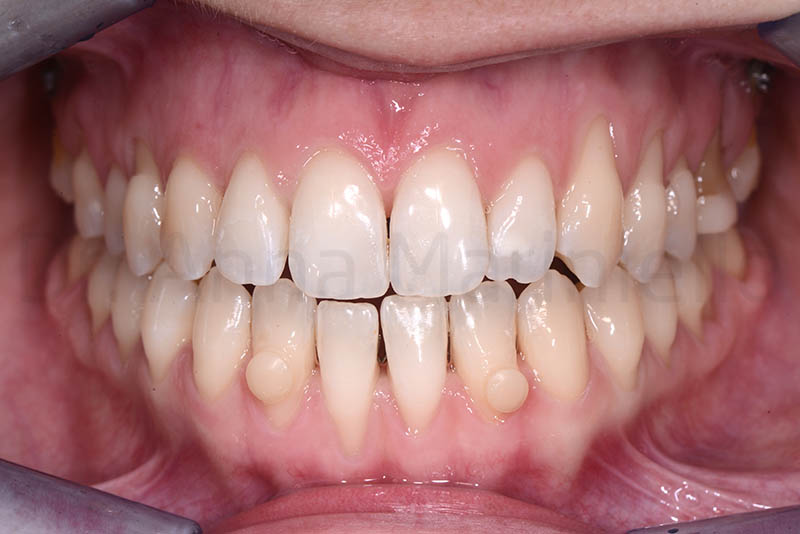
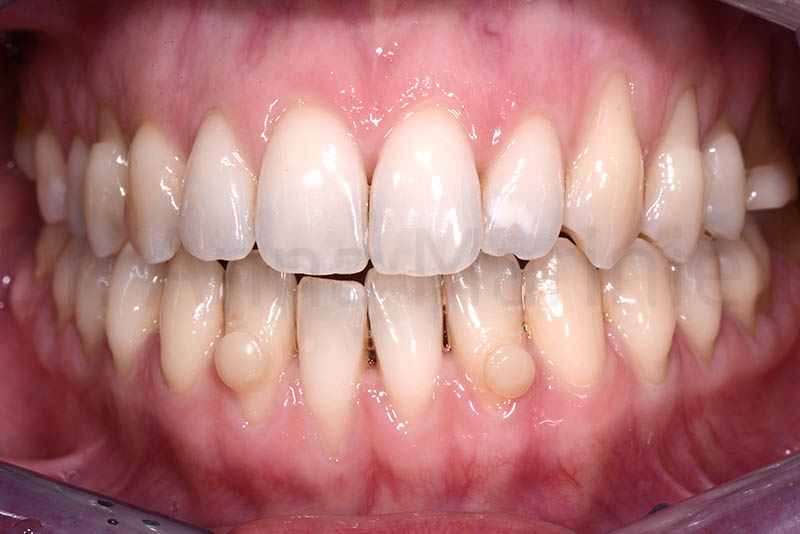
During the fifth month of treatment, the patient began wearing anterior vertical elastics at night. Composite buttons were fabricated using Mini Molds and bonded to the buccal surfaces of the mandibular lateral incisors and the lingual surfaces of the maxillary lateral incisors.
To promote selective movement of the maxillary anterior segment, the NiTi archwire was sectioned distal to the maxillary canines. The patient was instructed to wear 3.5 oz vertical elastics overnight, generally from after dinner until the following morning.
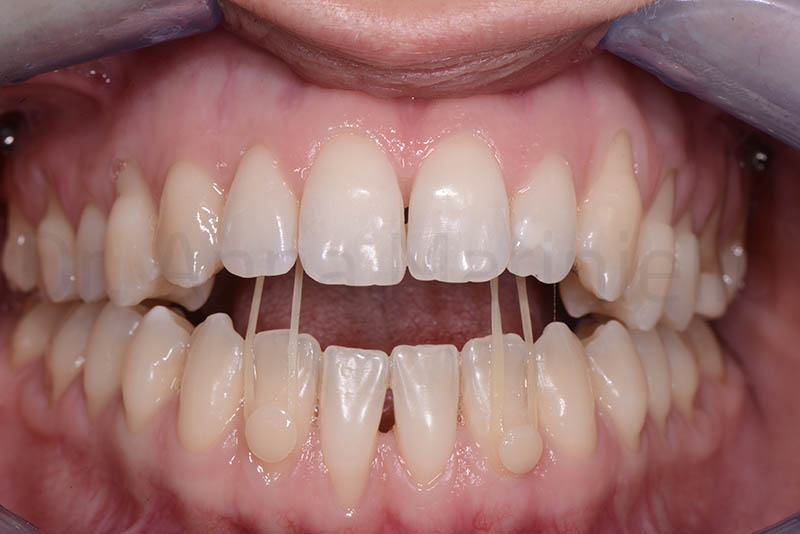
FRONTAL PHOTOGRAPH AT 8 MONTHS
FRONTAL PHOTOGRAPH AT 10 MONTHS
FRONTAL AND SMILE PHOTOGRAPHS AT 17 MONTHS
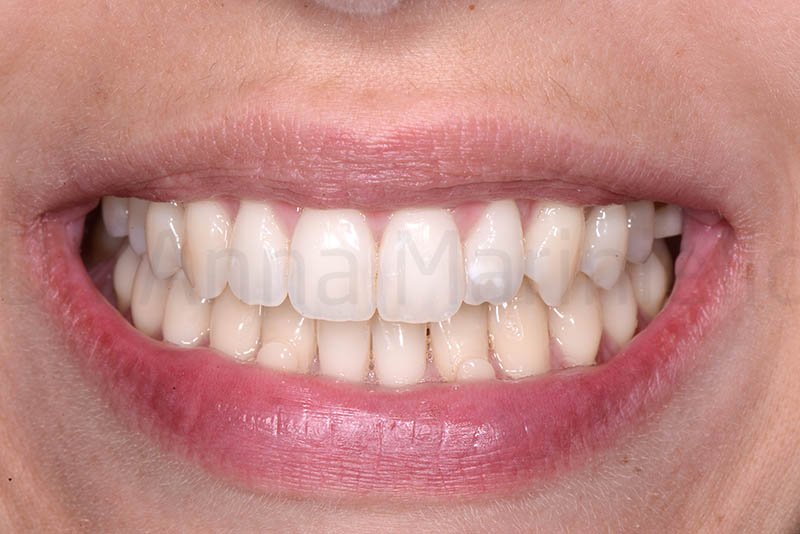
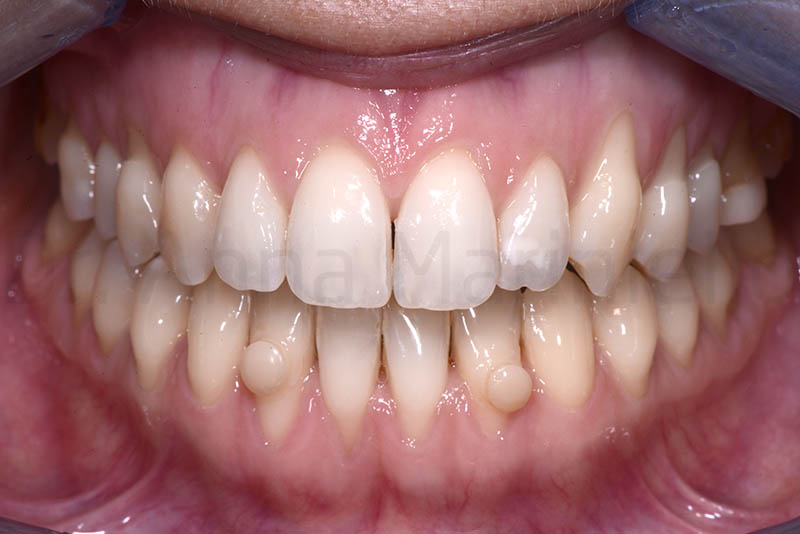
The labial buttons bonded to teeth 32 and 42 are barely visible, even during a broad smile with marked lowering of the lower lip.
During the final months of treatment, the lingual archwires were replaced to refine dental alignment and monitor the stability of anterior bite closure.
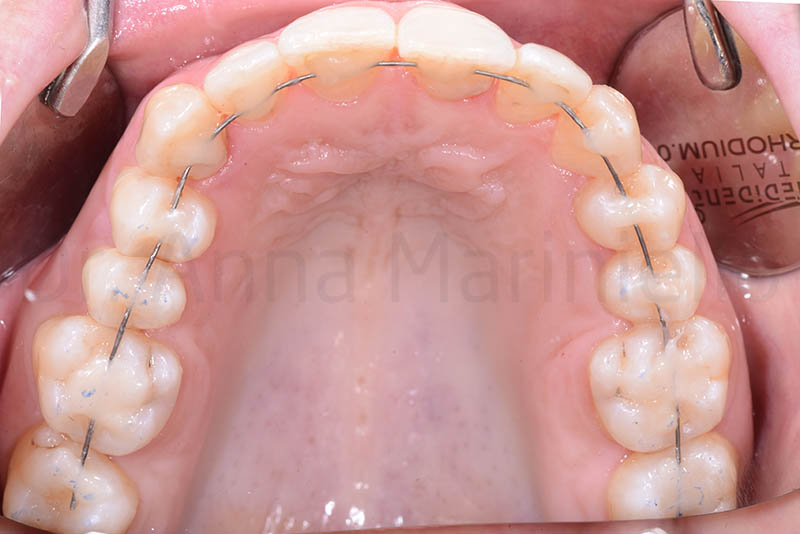
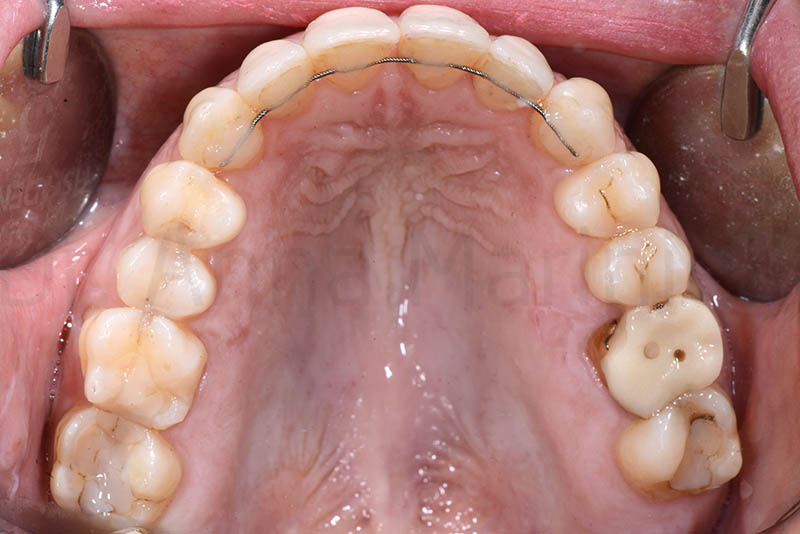
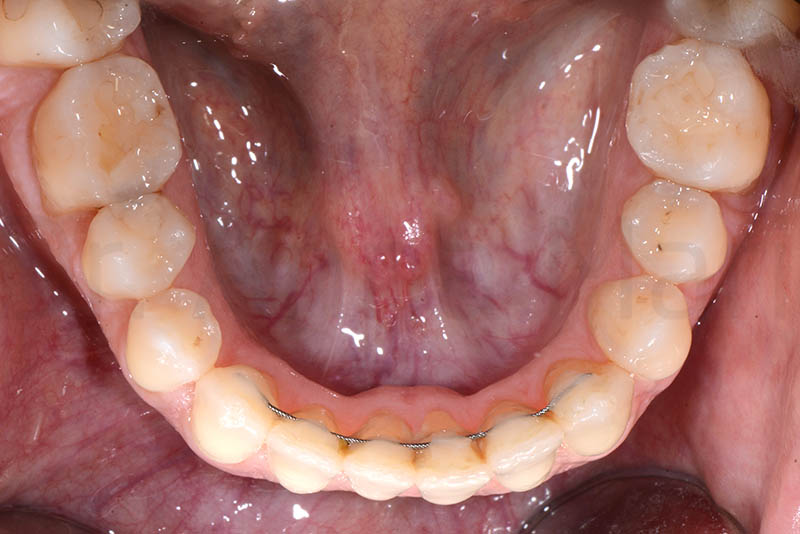
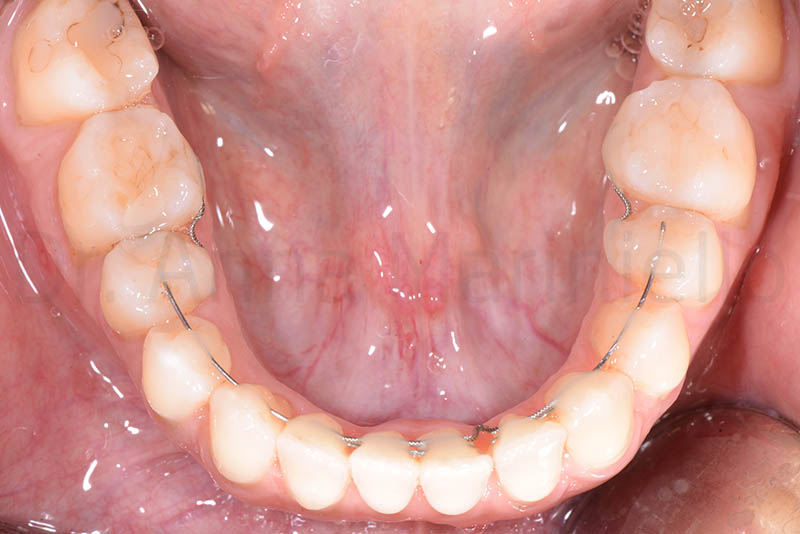 After 21 months of treatment, the miniscrews were removed. At 22 months, fixed passive retainers were bonded from canine to canine in both arches using multistranded stainless steel wires.
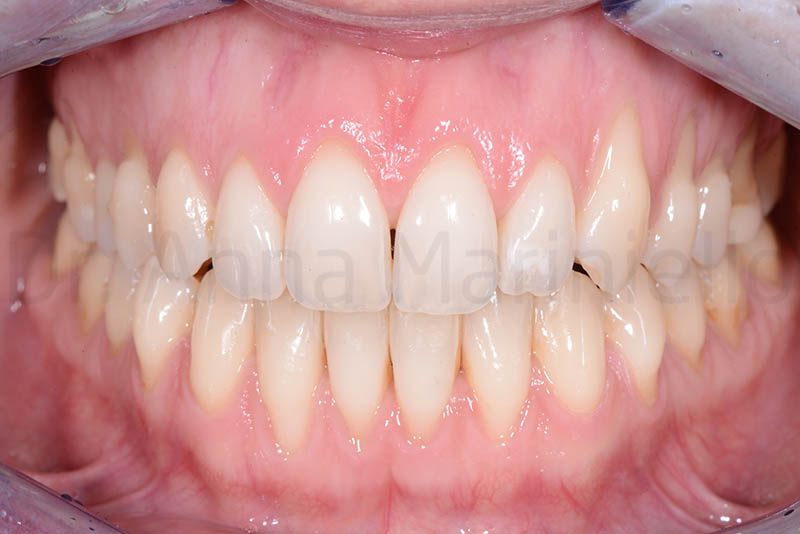
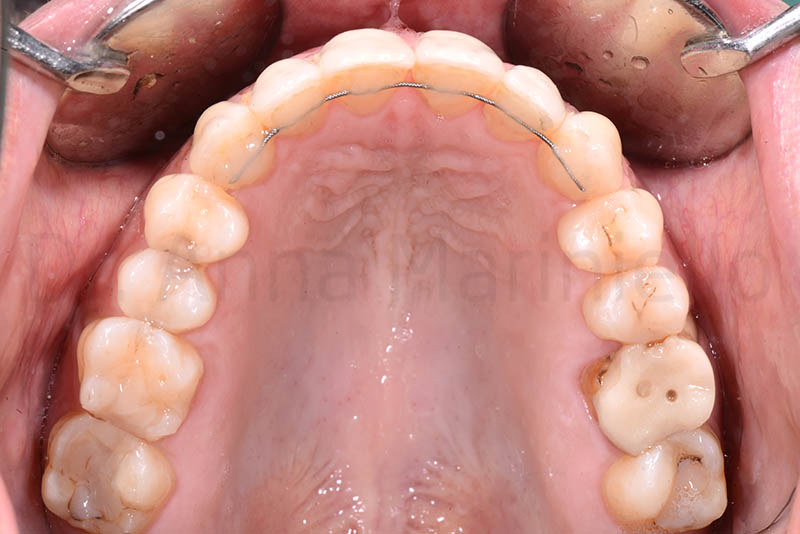
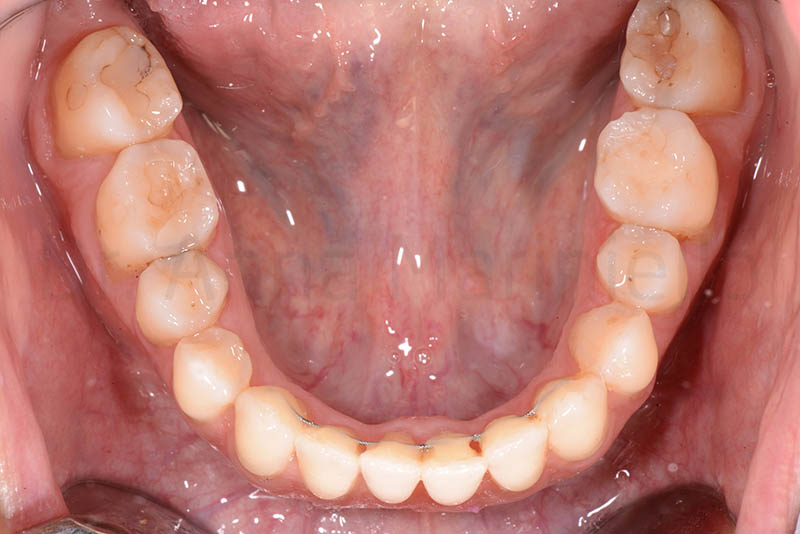
In addition to passive retainers, clear aligners were fabricated for nighttime wear, alternating between the upper and lower arches, so that their intrusive bite-block effect could actively contribute to maintaining bite closure (13, 14).
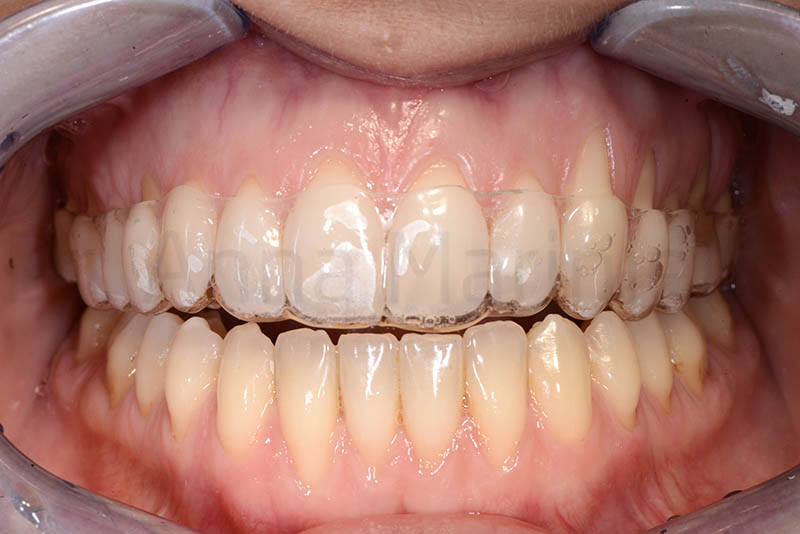
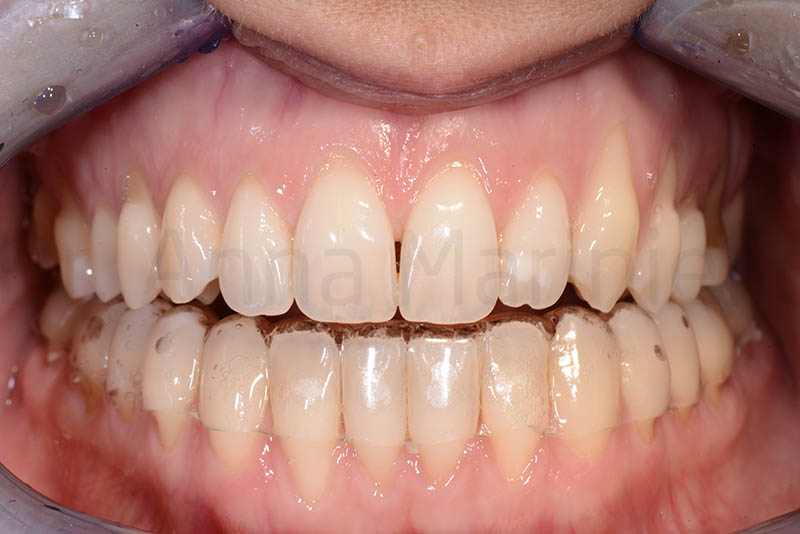
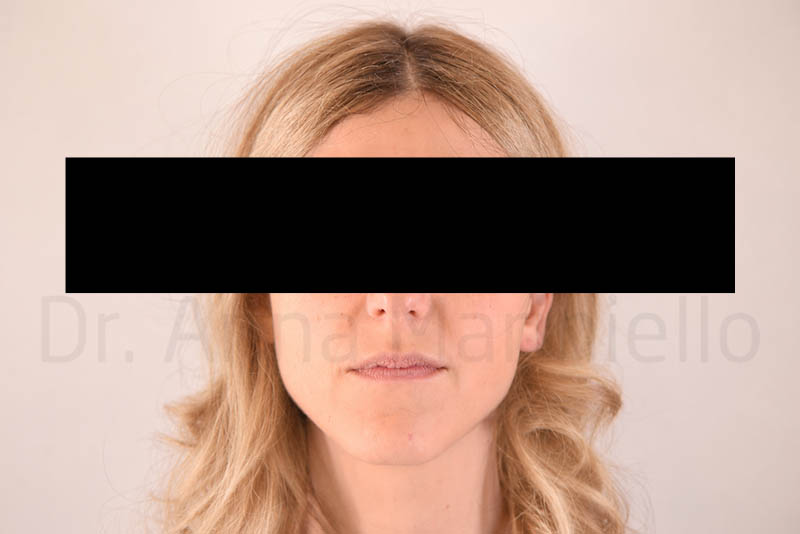
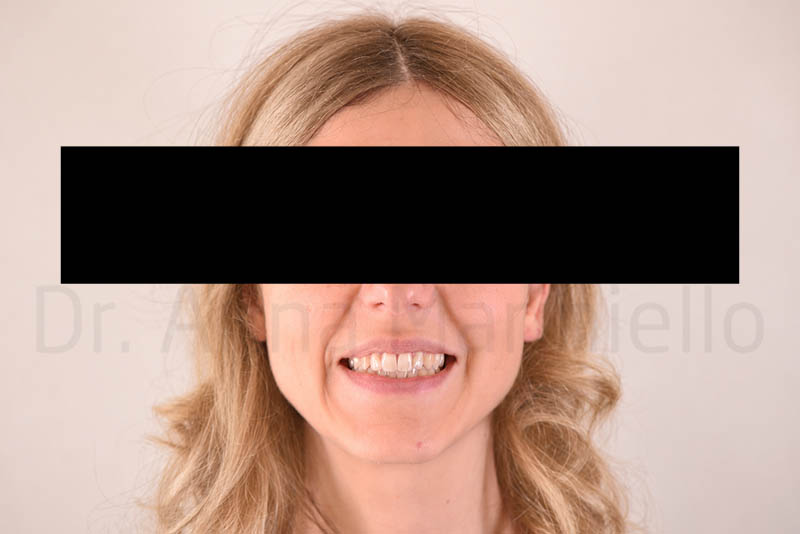
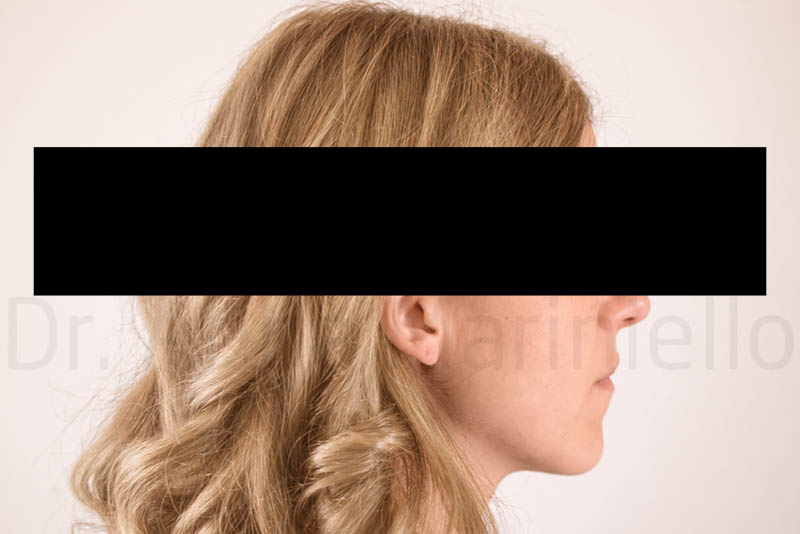
Throughout treatment, tongue posture and function were also assessed during mastication and swallowing. The patient was instructed to perform specific corrective exercises at home to improve tongue posture and function. The final photographs demonstrate balanced and harmonious facial aesthetics, an improved smile with appropriate dental display, and successful closure of the anterior open bite.
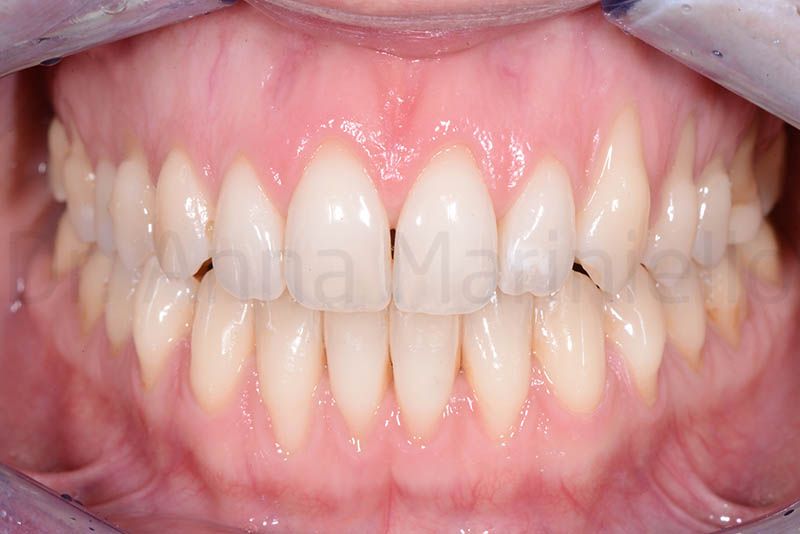
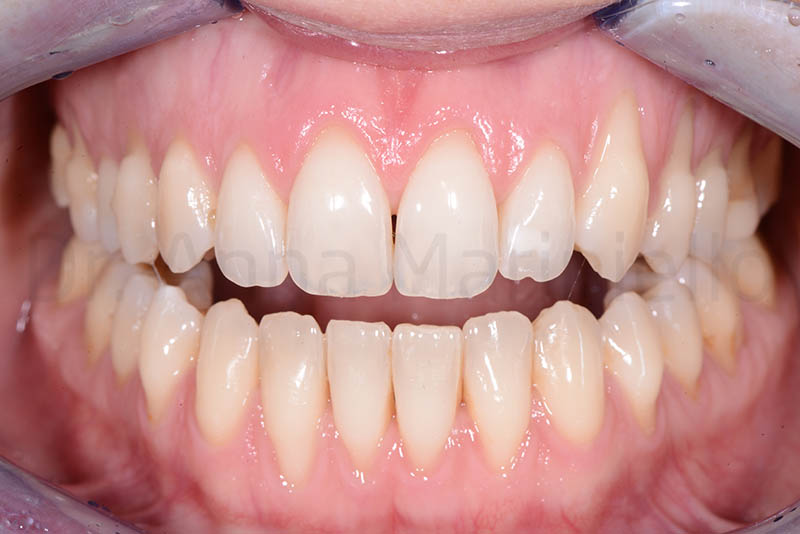
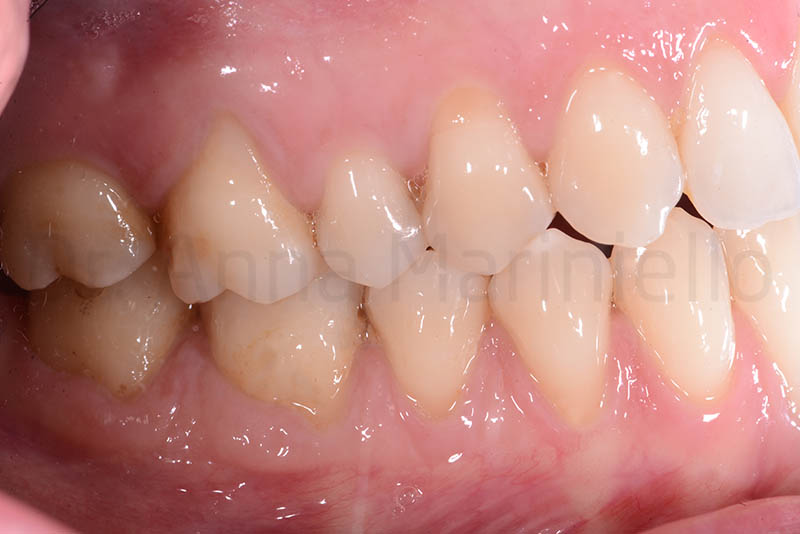
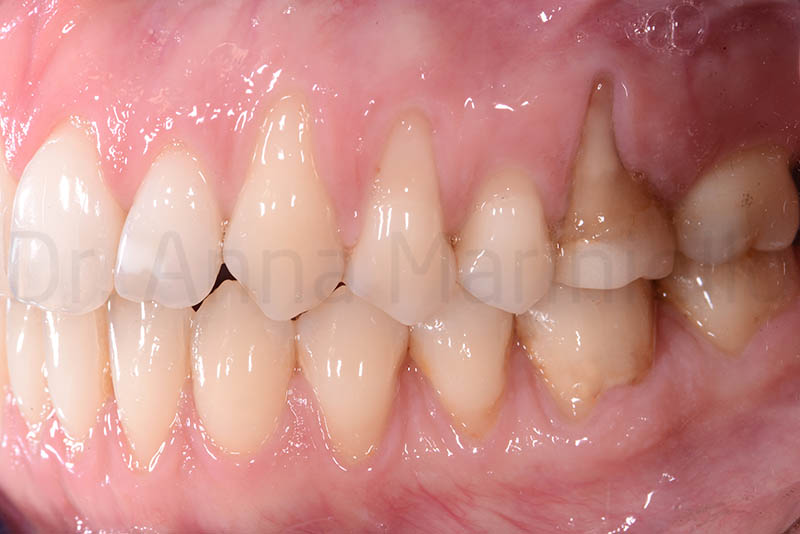
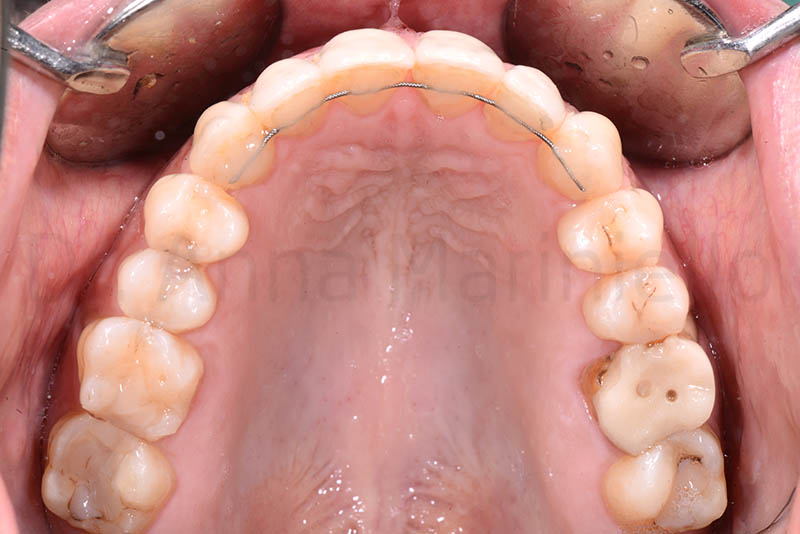
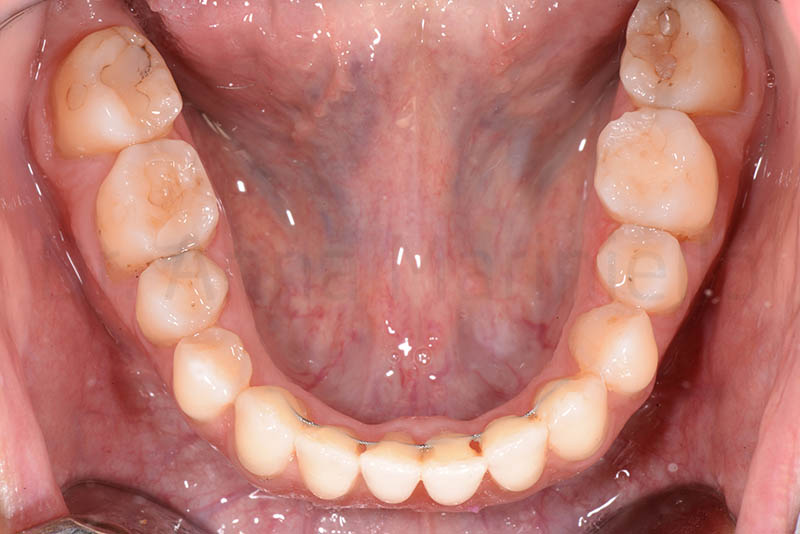 The final panoramic radiograph showed no evidence of clinically significant root resorption or other relevant abnormalities.
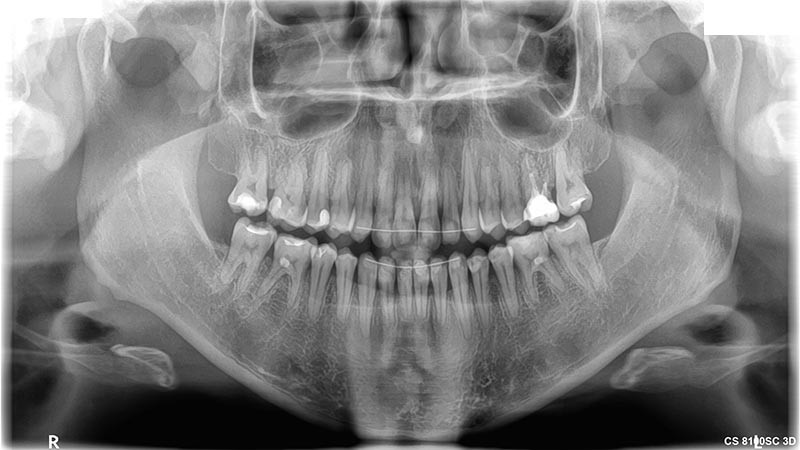
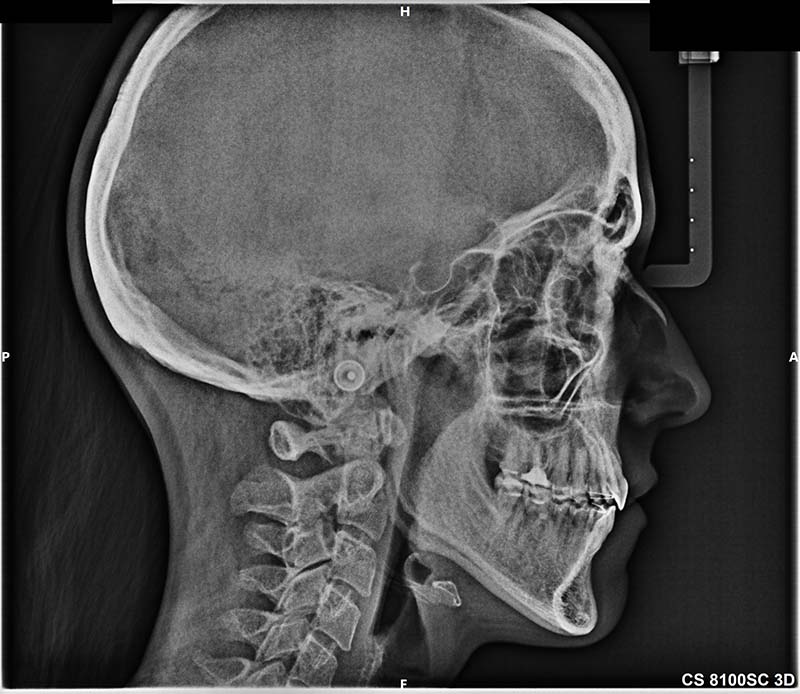
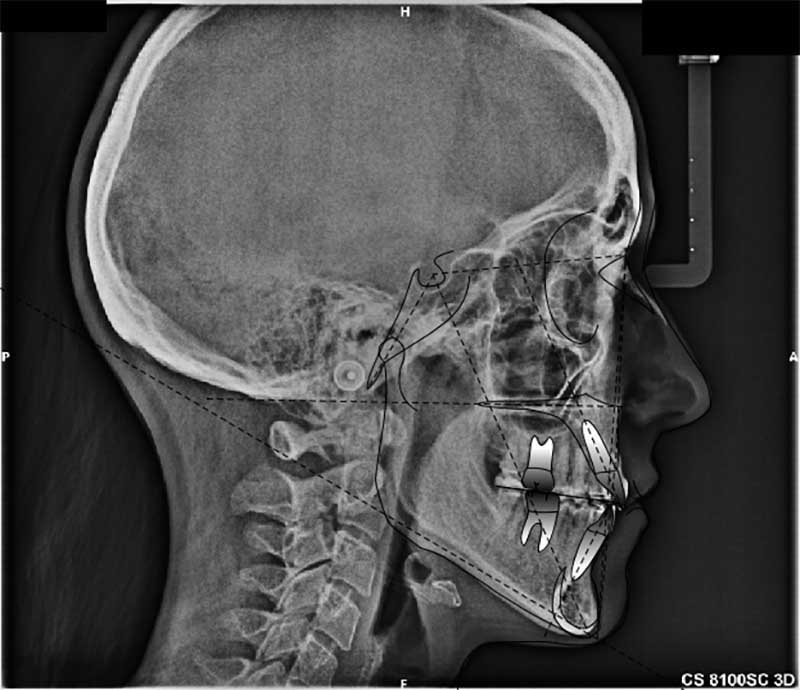
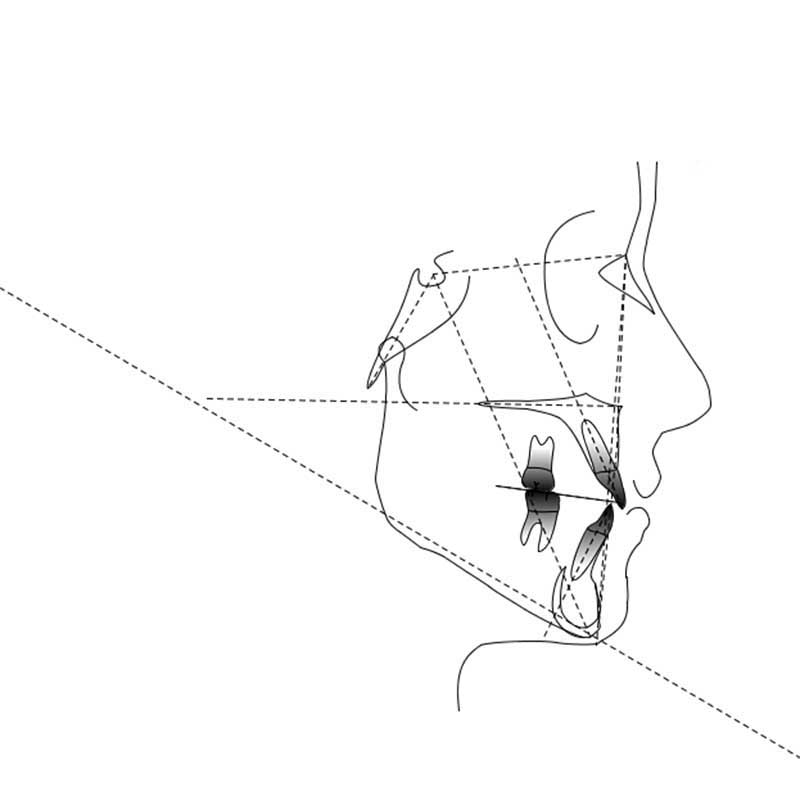
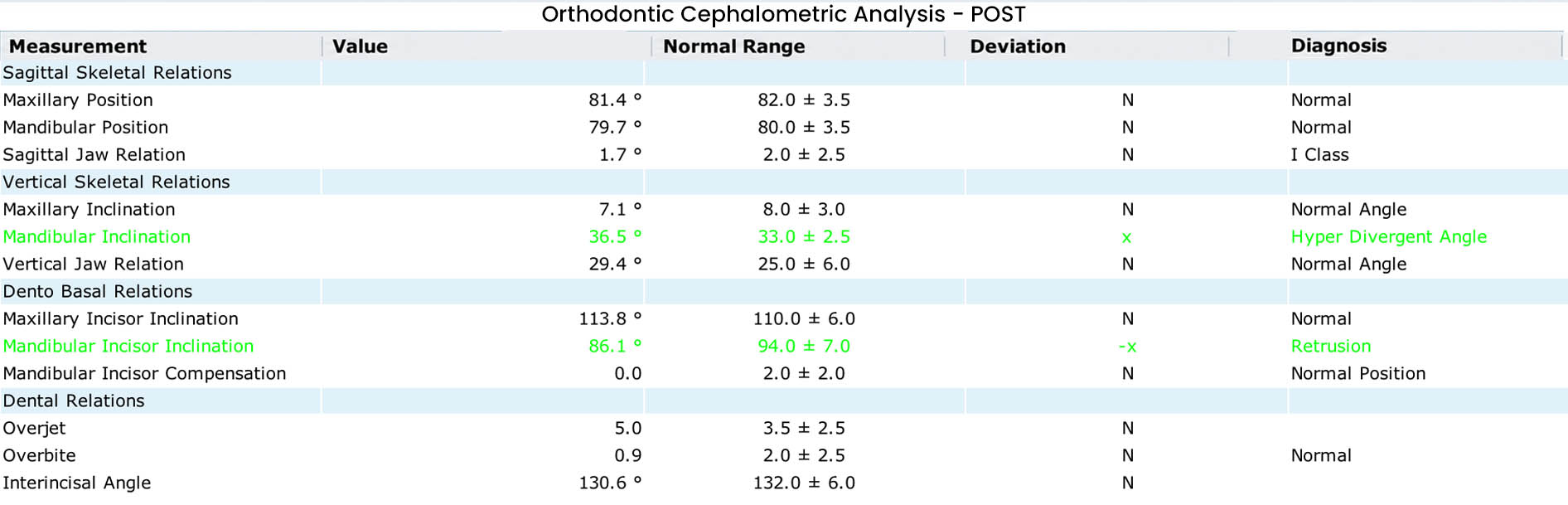
Post-treatment cephalometric analysis demonstrated an increase in overbite, counterclockwise rotation of the occlusal plane, and intrusion of the maxillary molars.
Overall, orthodontic treatment preserved harmonious and balanced facial aesthetics while improving the patient’s smile and dental intercuspation. Intraoral photographs and radiographic findings demonstrated an increase in overbite, an improvement in the skeletal jaw relationship, and increased mandibular projection as a consequence of counterclockwise mandibular rotation.
No clinically significant root resorption was observed.
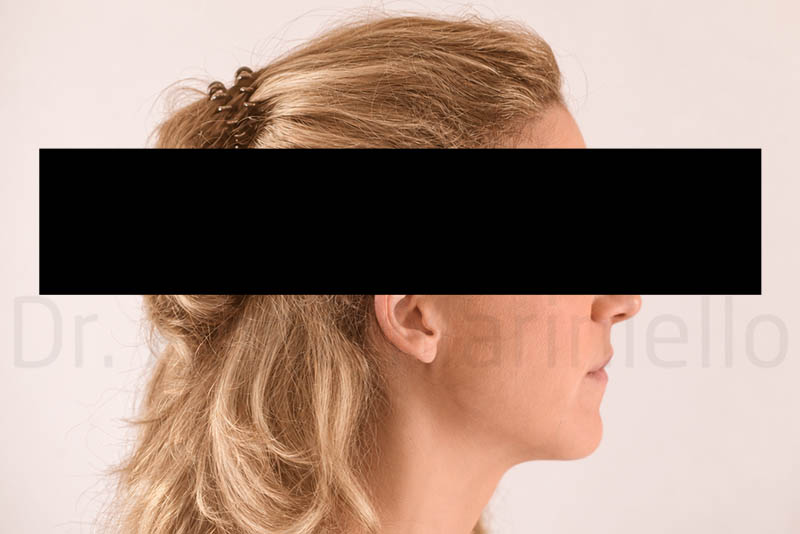
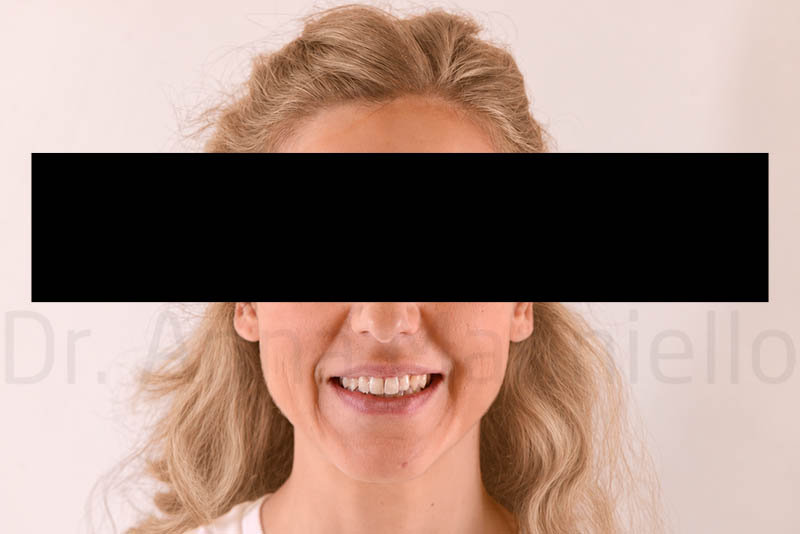
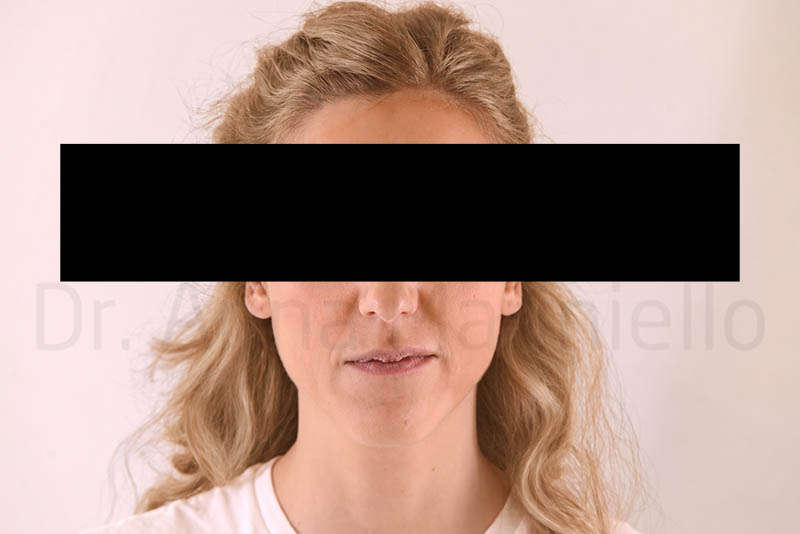
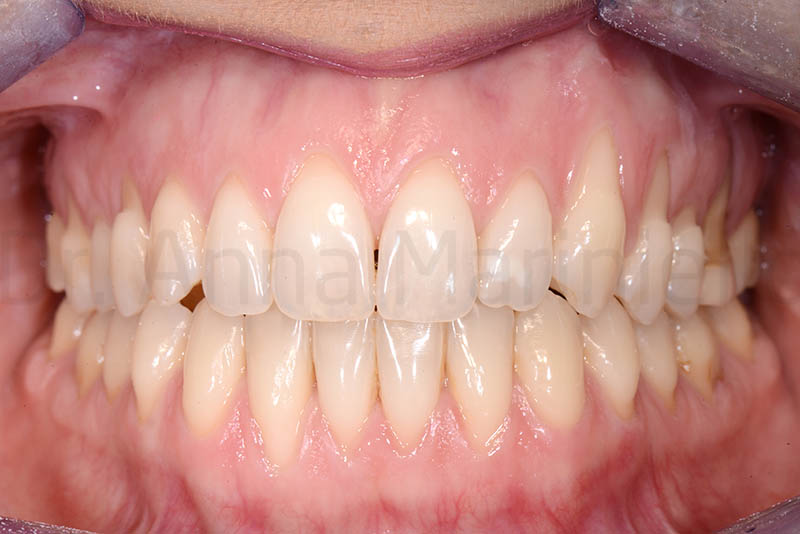
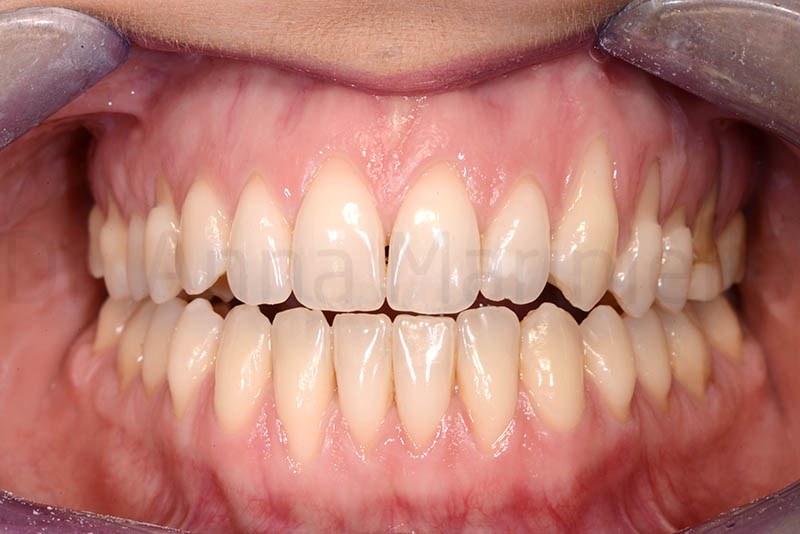
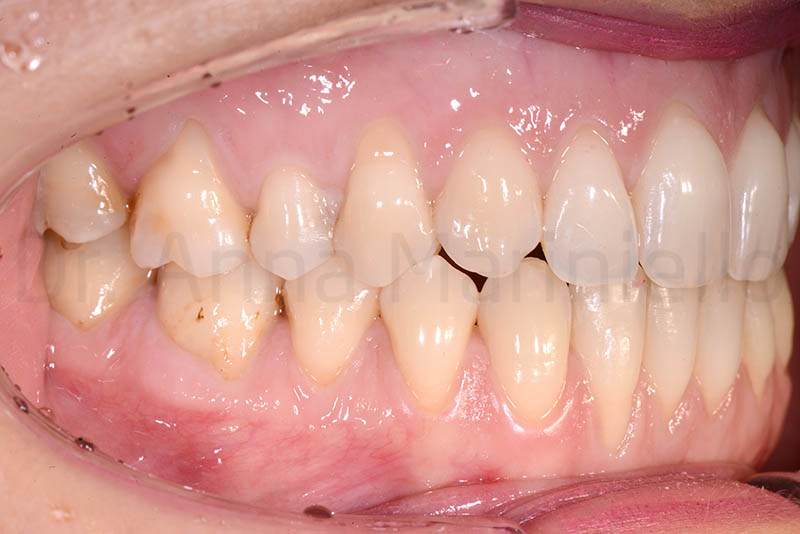
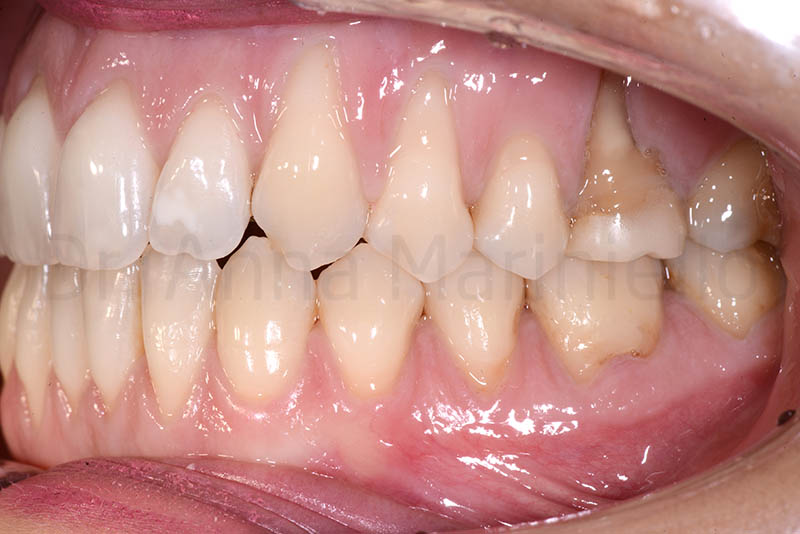
A two-year follow-up examination was performed to assess the stability of the treatment results.
The following facial and intraoral photographs document the patient’s condition at this follow-up appointment. It should be noted that the patient had postponed the planned restorative treatment of the maxillary left first molar.
Conclusions
The nonsurgical treatment of severe anterior open bite remains a challenging orthodontic procedure, particularly when long-term stability and preservation of facial aesthetics are primary objectives.
This clinical case illustrates how the combination of skeletal anchorage, controlled maxillary molar intrusion, and anterior vertical elastics can provide an effective alternative to orthognathic surgery in appropriately selected patients.
The use of BFLO (Brackets Fixed Lingual Orthodontics) allowed the treatment to be carried out with a highly aesthetic fixed appliance, while providing the possibility of integrating different biomechanical strategies throughout treatment.
In particular, the combination of buccal skeletal anchorage and lingual stabilization of the posterior segments contributed to the control of undesirable tooth movements during molar intrusion.
The resulting counterclockwise mandibular rotation contributed to anterior bite closure and improved dental intercuspation without compromising facial harmony.
The two-year follow-up provides encouraging clinical evidence of treatment stability, although longer-term observation remains essential, particularly in patients with a history of severe anterior open bite.
Overall, this case highlights the importance of individualized treatment planning, appropriate biomechanical control, and a carefully designed retention protocol in achieving and maintaining successful outcomes in the nonsurgical management of anterior open bite.
Bibliography
- Rijpstra C, Lisson JA. Etiology of anterior open bite: a review. J Orofac Orthop. 2016;77(4):281-286. https://doi.org/10.1007/s00056-016-0029-1.
- Malara P, Bierbaum S, Malara B. Outcomes and stability of anterior open bite treatment with skeletal anchorage in non-growing patients and adults compared to the results of orthognathic surgery procedures: a systematic review. J Clin Med. 2021;10(23):5682. https://doi.org/10.3390/jcm10235682.
- Caprioglio A, Fastuca R. Etiology and treatment options of anterior open bite in growing patients: a narrative review. Orthod Fr. 2016;87(4):467-477. https://doi.org/10.1051/orthodfr/2016038.
- Reichert I, Figel P, Winchester L. Orthodontic treatment of anterior open bite: a review article—is surgery always necessary? Oral Maxillofac Surg. 2014;18(3):271-277. https://doi.org/10.1007/s10006-013-0430-5.
- Solano-Hernández B, Antonarakis GS, Scolozzi P, Kiliaridis S. Combined orthodontic and orthognathic surgical treatment for the correction of skeletal anterior open-bite malocclusion: a systematic review on vertical stability. J Oral Maxillofac Surg. 2013;71(1):98-109. https://doi.org/10.1016/j.joms.2012.03.016.
- Kuroda S, Sakai Y, Tamamura N, Deguchi T, Takano-Yamamoto T. Treatment of severe anterior open bite with skeletal anchorage in adults: comparison with orthognathic surgery outcomes. Am J Orthod Dentofacial Orthop. 2007;132(5):599-605. https://doi.org/10.1016/j.ajodo.2005.11.046.
- Janson G, Valarelli FP, Beltrao RT, de Freitas MR, Henriques JF. Stability of anterior open-bite extraction and nonextraction treatment in the permanent dentition. Am J Orthod Dentofacial Orthop. 2006;129(6):768-774. https://doi.org/10.1016/j.ajodo.2004.11.031.
- Janson G, Crepaldi MV, de Freitas KM, de Freitas MR, Janson W. Evaluation of anterior open-bite treatment with occlusal adjustment. Am J Orthod Dentofacial Orthop. 2008;134(1):10.e1-10.e9. https://doi.org/10.1016/j.ajodo.2007.12.022.
- Maia FA, Janson G, Barros SE, Maia NG, Chiqueto K, Nakamura AY. Long-term stability of surgical-orthodontic open-bite correction. Am J Orthod Dentofacial Orthop. 2010;138(3):254.e1-254.e10. https://doi.org/10.1016/j.ajodo.2010.03.021.
- Baek MS, Choi YJ, Yu HS, Lee KJ, Kwak J, Park YC. Long-term stability of anterior open-bite treatment by intrusion of maxillary posterior teeth. Am J Orthod Dentofacial Orthop. 2010;138(4):396.e1-396.e9. https://doi.org/10.1016/j.ajodo.2010.04.023.
- Melsen B, Bosch C. Different approaches to anchorage: a survey and an evaluation. Angle Orthod. 1997;67(1):23-30. https://doi.org/10.1043/0003-3219(1997)067%3C0023:DATAAS%3E2.3.CO;2.
- Scheffler NR, Proffit WR, Phillips C. Outcomes and stability in patients with anterior open bite and long anterior face height treated with temporary anchorage devices and a maxillary intrusion splint. Am J Orthod Dentofacial Orthop. 2014;146(5):594-602. https://doi.org/10.1016/j.ajodo.2014.07.020.
- Talens-Cogollos L, Vela-Hernández A, Peiró-Guijarro MA, García-Sanz V, Montiel-Company JM, Gandía-Franco JL, et al. Unplanned molar intrusion after Invisalign treatment. Am J Orthod Dentofacial Orthop. 2022;162(4):451-458. https://doi.org/10.1016/j.ajodo.2021.03.019.
- Harris K, Ojima K, Dan C, Upadhyay M, Alshehri A, Kuo CL, et al. Evaluation of open bite closure using clear aligners: a retrospective study. Prog Orthod. 2020;21(1):23. https://doi.org/10.1186/s40510-020-00325-5.
6.Am J Orthod Dentofacial Orthop 2007 Nov;132(5):599-605. doi: 10.1016/j.ajodo.2005.11.046.
Treatment of severe anterior open bite with skeletal anchorage in adults: comparison with orthognathic surgery outcomes
Shingo Kuroda 1, Yuichi Sakai, Nagato Tamamura, Toru Deguchi, Teruko Takano-Yamamoto
- Janson G, Valarelli FP, Beltrao RT, de Freitas MR, Henriques JF. Stability of anterior open-bite extraction and nonextraction treatment in the permanent dentition. American Journal of Orthodontics and Dentofacial Orthopedics. 2006;129:768–774. https://doi.org/10.1016/j.ajodo.2004.11.031
- Janson G, Crepaldi MV, de Freitas KM, de Freitas MR, Janson W. Evaluation of anterior open-bite treatment with occlusal adjustment. American Journal of Orthodontics and Dentofacial Orthopedics. 2008;134:10–11. https://doi.org/10.1016/j.ajodo.2008.06.005
- Maia FA, Janson G, Barros SE, Maia NG, Chiqueto K, Nakamura AY. Long-term stability of surgical-orthodontic open-bite correction. American Journal of Orthodontics and Dentofacial Orthopedics. 2010;138:254. https://doi.org/10.1016/j.ajodo.2010.03.021
- Baek MS, Choi YJ, Yu HS, Lee KJ, Kwak J, Park YC. Long-term stability of anterior open-bite treatment by intrusion of maxillary posterior teeth. American Journal of Orthodontics and Dentofacial Orthopedics. 2010;138:396. https://doi.org/10.1016/j.ajodo.2010.04.023
- Melsen B, Bosch C. Different approaches to anchorage: a survey and an evaluation. The Angle Orthodontist. 1997;67(1):23–30. DOI: 10.1043/0003-3219(1997)067<0023:DATAAS>2.3.CO;2
- Scheffler NR, Proffit WR, Phillips C. Outcomes and stability in patients with anterior open bite and long anterior face height treated with temporary anchorage devices and a maxillary intrusion splint. American Journal of Orthodontics and Dentofacial Orthopedics. 2014;146(5):594–602. https://doi.org/10.1016/j.ajodo.2014.07.020
- Talens-Cogollos L, Vela-Hernández A, Peiró-Guijarro MA, García-Sanz V, Montiel-Company JM, Gandía-Franco JL, et al. Unplanned molar intrusion after Invisalign treatment. American Journal of Orthodontics and Dentofacial Orthopedics. 2022;162(4):451–458. https://doi.org/10.1016/j.ajodo.2021.03.019
14 Harris K, Ojima K, Dan C, Upadhyay M, Alshehri A, Kuo CL, et al. Evaluation of open bite closure using clear aligners: a retrospective study. Progress in Orthodontics. 2020;21:23. https://doi.org/10.1186/s40510-020-00325-5


